Your Antagonist Should Be the Hero of Their Own Story
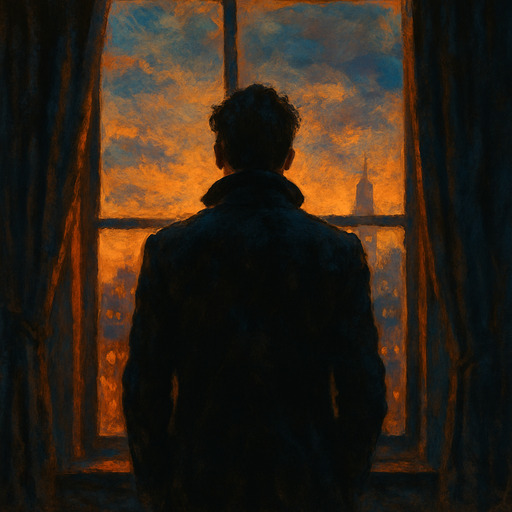
Your antagonist is the hero of their own story.
If you don’t write them that way, they’ll come out flat.
The weak antagonist is one of the most common problems in first novels. The villain who shows up to be villainous. The obstacle character whose only motivation is “oppose the hero.” Readers don’t fear that. They don’t even remember it.
What great antagonists have in common: they want something specific for themselves, and their logic—if you follow it from the inside—almost makes sense.
Hannibal Lecter isn’t terrifying because he’s evil. He’s terrifying because he has aesthetic convictions and you understand them. Amy Dunne in Gone Girl is horrifying because her sense of injustice is legible.
The exercise that fixes this: write a page from your antagonist’s POV where they’re right. Where the protagonist is the obstacle. Where the antagonist’s goal seems reasonable. If you can’t write it, you don’t know your antagonist yet.
Two people pursuing incompatible goals is a story. One person trying to stop another is a plot summary.
Continue your writing journey
This topic is covered in depth in our Novel Writing Workshop.