The Backwards-Clock Problem: Why Writers Speed Through Emotional Scenes
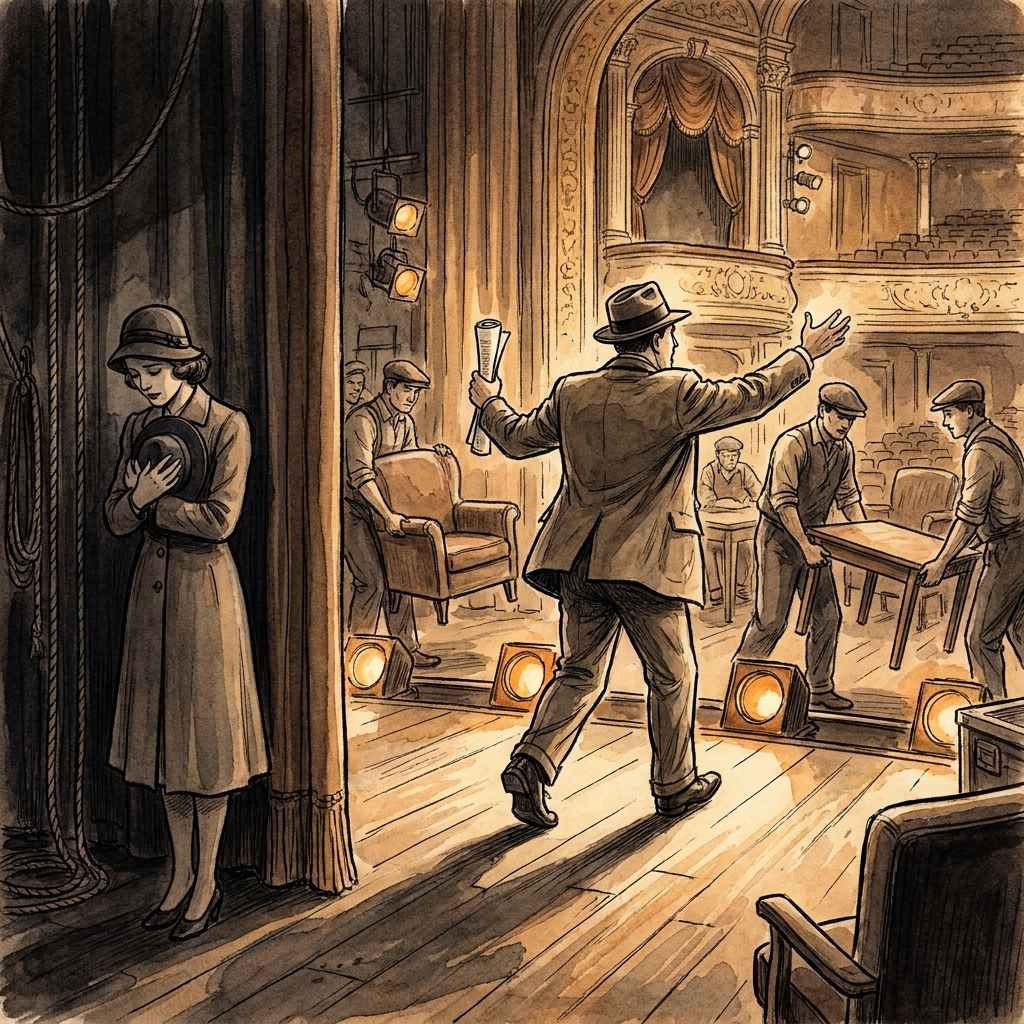
Most writers have the pacing backwards.
A fight scene gets every punch described in slow motion. A character discovers her husband has been lying for 20 years, and the writer gives it one sentence: “She felt betrayed.”
The fight takes 800 words. The realization that rewires her whole life takes 12.
Narrative time should slow down for complex internal moments—when a character’s worldview is being dismantled. It should compress for procedural external events: the chase, the fight, the drive to the airport.
Real emotional weight can’t land at speed. If your protagonist spends 3 chapters building toward a moment of self-understanding, she can’t reach it in 2 sentences. The revelation needs space. The reader needs to be in the room when she figures it out, not told about it from the hall.
The fix isn’t always “write more.” Sometimes it’s redistributing words already on the page. One student cut 4 pages of a car chase and used them to expand her protagonist’s breakdown scene. The book became recognizably hers.
Exercise: Find the 3 most important internal moments in your manuscript—revelations, decisions, emotional breaks. Count the words. Then find 3 procedural action sequences and count those. If the action runs longer than the emotional moments, you’ve inverted your emphasis. Take the shortest internal moment and write 200 more words inside it, from inside your protagonist’s head.
I’ve spent 25 years teaching 100,000+ students. Writing Academy now has 22 courses and 640 lessons — all included with lifetime access for just $199.