Every Door Is a Decision
Your protagonist walks from the hallway into the kitchen. Two sentences, no pause, no weight. The reader barely registers the transition.
That doorway is doing no work. It should be doing the most.
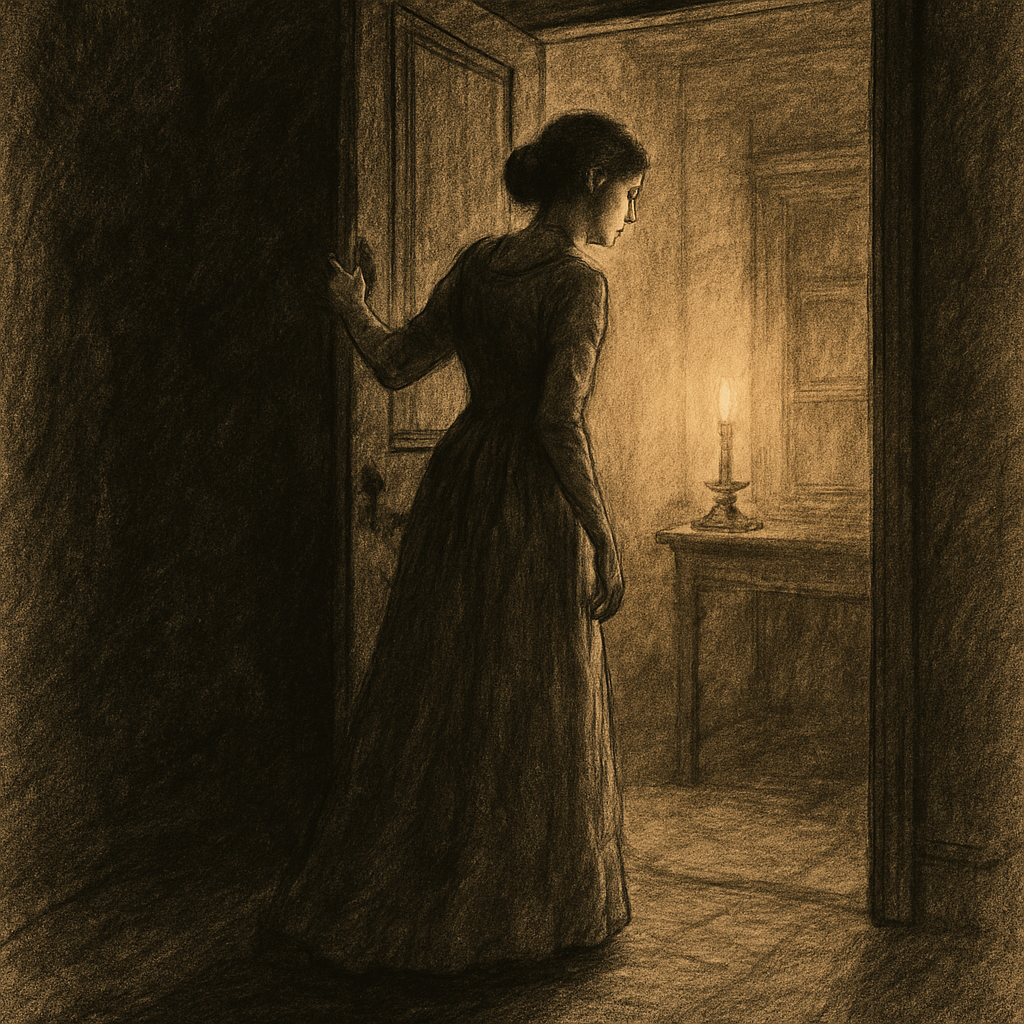
A threshold is a physical boundary between two emotional states. The hallway where she gathered her courage. The kitchen where she has to face him. The door frame is where those two worlds press against each other. Skip it and you have lost the most charged moment in the scene.
Think about the last time you stood outside a room you did not want to enter. A hospital. A boss office. Your ex apartment. You remember the doorway. The hand on the handle. The breath you took before turning it. Everything inside the room is different from everything outside, and your body knew it before your brain caught up.
Your characters bodies know it too. Or they should.
The threshold does three things at once. It delays the confrontation, building anticipation. It reveals character through how they cross. And it gives the reader a physical marker for the emotional shift, so when the character steps through, the reader steps with them.
Open your current draft. Find every scene transition where a character moves between spaces. At each one, check: did you give the threshold a sentence? If the answer is no, you skipped the most cinematic moment in the chapter. Write the pause. Let the hand rest on the doorframe. Let the reader wait.
Writing Academy has 22 courses and 640 lessons covering craft from every angle: structure, POV, voice, pacing, scene work, and more. All included with lifetime access for just $199. Browse the courses here.