If You Cannot Name the Room, You Are Writing Summary
Most non-fiction drafts read like reports. Weeks compress into paragraphs. Months into sentences. Everything flows in a smooth current of information.
Nothing is ever in a room.
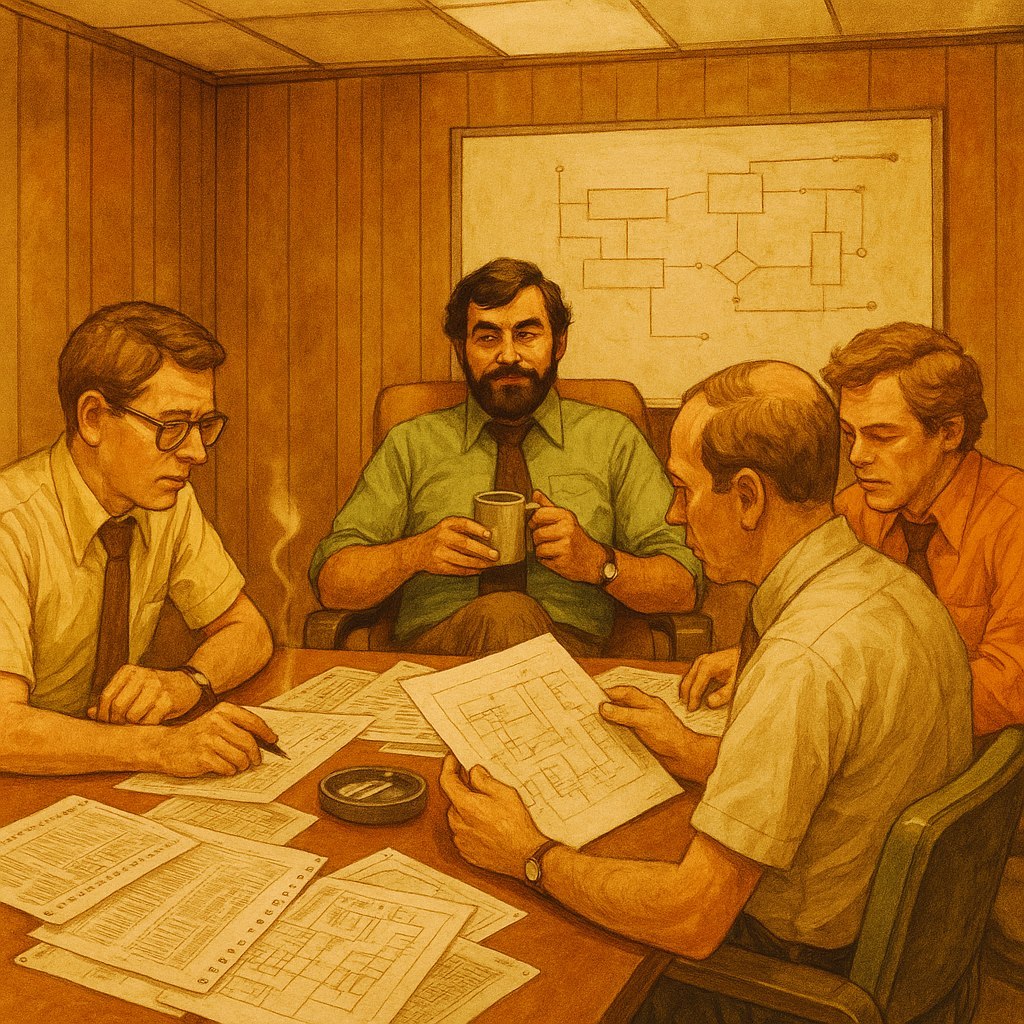
Fifty years ago, Tracy Kidder figured out something every narrative writer should steal. He writes scenes. In The Soul of a New Machine, he could have told you the engineering team was under pressure. Instead, he puts you in a conference room watching Tom West lean back in his chair, holding his coffee a certain way. You know the deadline just got worse before anyone speaks.
Apply the Kidder test to any paragraph in your draft. Can you name the room? The time of day? The specific person doing a specific observable thing?
If yes, you’re in a scene. Give us the light, the gesture, the object in someone’s hand.
If no, you’re in summary. But if your most important moment reads as summary, the reader got a caption when they needed the photograph.
Go to the chapter that’s giving you the most trouble. Highlight every paragraph where you can’t point to a specific room, a specific time, a specific action. Then find the turning point. If it’s highlighted, you just summarized the moment your reader needed to witness. Rewrite it: put a body in a room, give them something to hold, let the reader watch.
Continue your writing journey