Your Antagonist Needs to Win the Middle
Check the scoreboard of most unpublished manuscripts and you’ll find the same lopsided season: the protagonist wins.
Most of the middle, scene after scene. A lucky clue here, an argument that lands, a plan that works on the first try.
Each small win drains tension the climax will need later.
The middle of your book belongs to your antagonist. That’s where they should be at their best, seeing your protagonist’s moves before they’re made, winning the confrontations that matter, taking things that can’t be replaced.
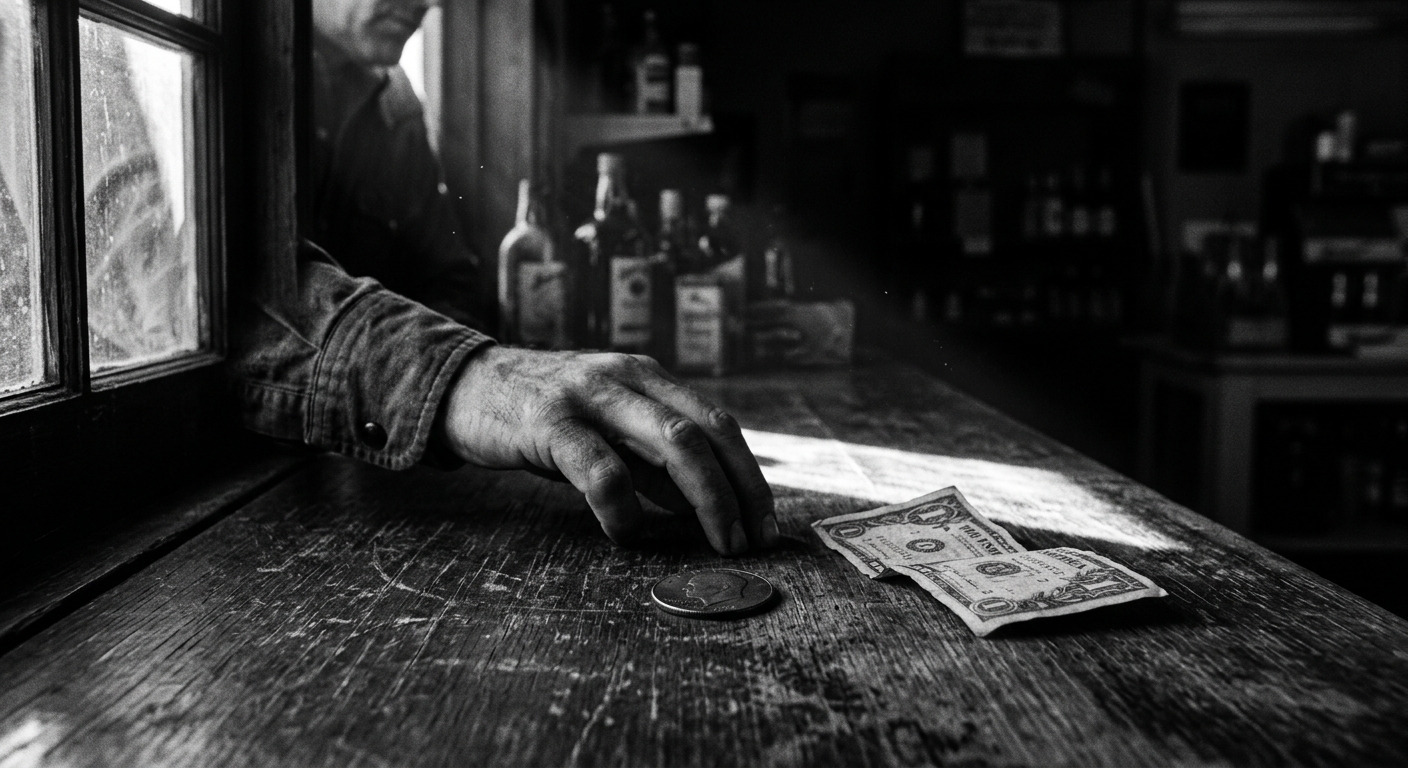
Think about the coin toss scene in No Country for Old Men. The dread comes from the scoreboard. Chigurh wins every scene he’s in; two hours in you’ve stopped wondering whether he’ll win and started wondering who survives. That’s the deal a great antagonist makes with the reader: nobody is safe until the last page.
Before your protagonist earns the final confrontation, they need to lose one that matters. A hero who’s never lost to their enemy is just an employee running errands until the ending.
List every direct confrontation between your protagonist and the source of opposition, chapter by chapter. Mark each one W or L from the protagonist’s side; the pattern shows up fast. If they’re not down at least two losses before the final act, find the cleanest win in your middle and break it. Let the antagonist see it coming. Make the victory cost something.
Continue your writing journey