Your Character’s Name Works Before They Do
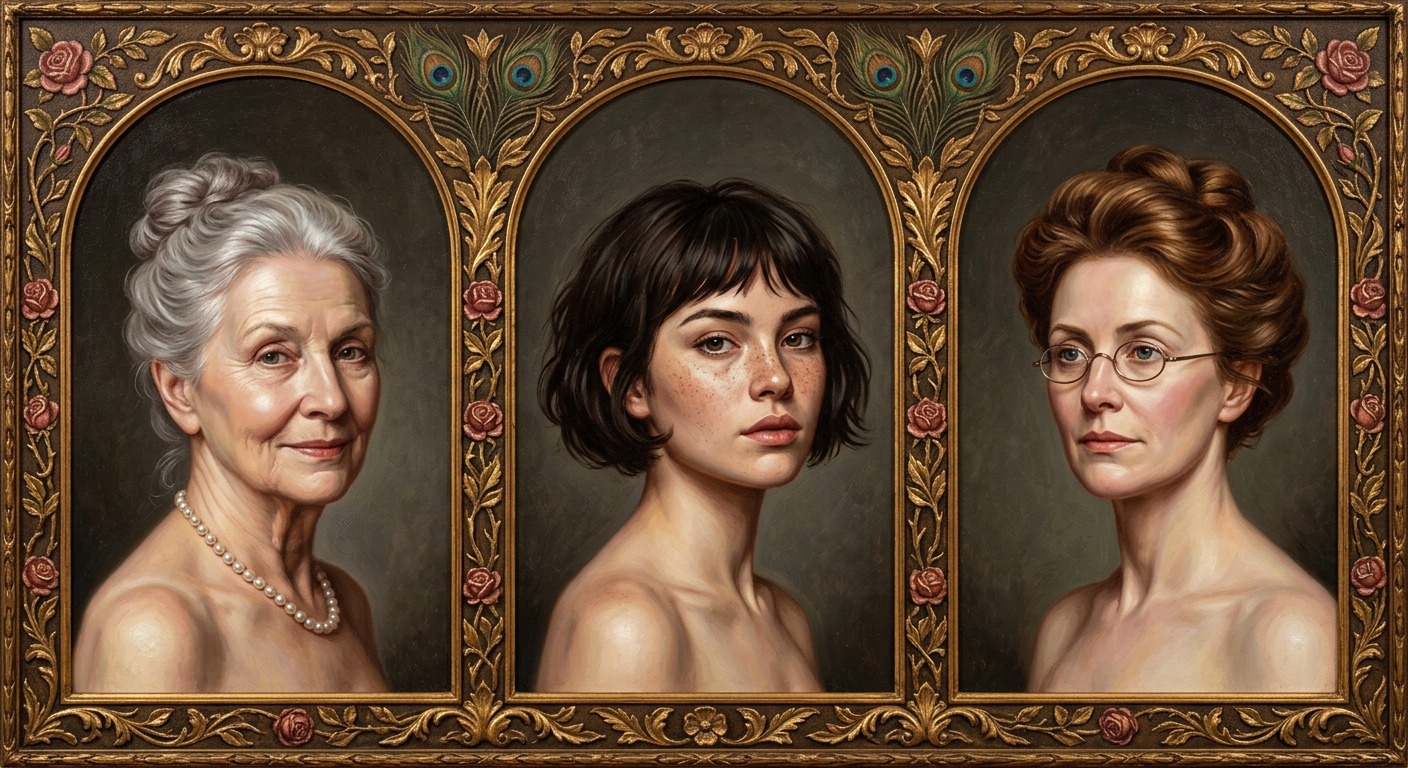
Margaret. Trixie. Dolores. You just met three different women.
A name is the first characterization your reader gets, and it happens before your character says a word. Era, class, region, what the parents hoped for. It all arrives packed into a couple of syllables.
Dorothy is eighty. Dakota is twenty-five. Both names work; each one dates your story and slots the character before she moves. Sound does work too: Bart and Kurt read blunt, Lilian and Rose read soft. The name is talking whether you chose it deliberately or grabbed it at midnight.
Nicknames are characterization squared. In Janet Evanovich’s Stephanie Plum books, a bounty hunter everyone calls Ranger is introduced as exactly that. Ranger. One word tells you how the neighborhood files him: useful, dangerous, no questions.
Watch the era too. If your 30-year-old is named Gertrude, that’s allowed, but you owe the reader a sentence about why.
Copy every character name in your manuscript onto one page and read the list aloud. If two names are interchangeable, the characters probably are too. Then drop each name into a line of dialogue: “I’m telling you, ___ is lying.” If the sentence fights the name, you’ve found your next rename.
Writing Academy has 22 courses and 640 lessons covering craft from every angle—structure, POV, voice, pacing, scene work, and more. All included with lifetime access at Writing Academy.
#WritingCommunity #AmWriting #CharacterDevelopment #FictionWriting #NamingCharacters #WritingCraft