Give the Blow Room to Land
Every manuscript has a version of the disaster scene: the thing the whole book has been aiming at finally happens, and the prose treats it like a dentist appointment. Plot done, page flat.
The plot decides that something terrible happens. The page decides how much it weighs. Three choices set the tonnage.
Name the loss in nouns. “She lost everything” weighs nothing. “She lost the restaurant, her father’s recipes, the seating chart from a wedding that won’t happen now.” Every noun is a ton.
Widen the radius. A loss that lands on one character is an incident. Show who else it breaks, in one sentence: the cook out of a job, the regulars who lose their table.
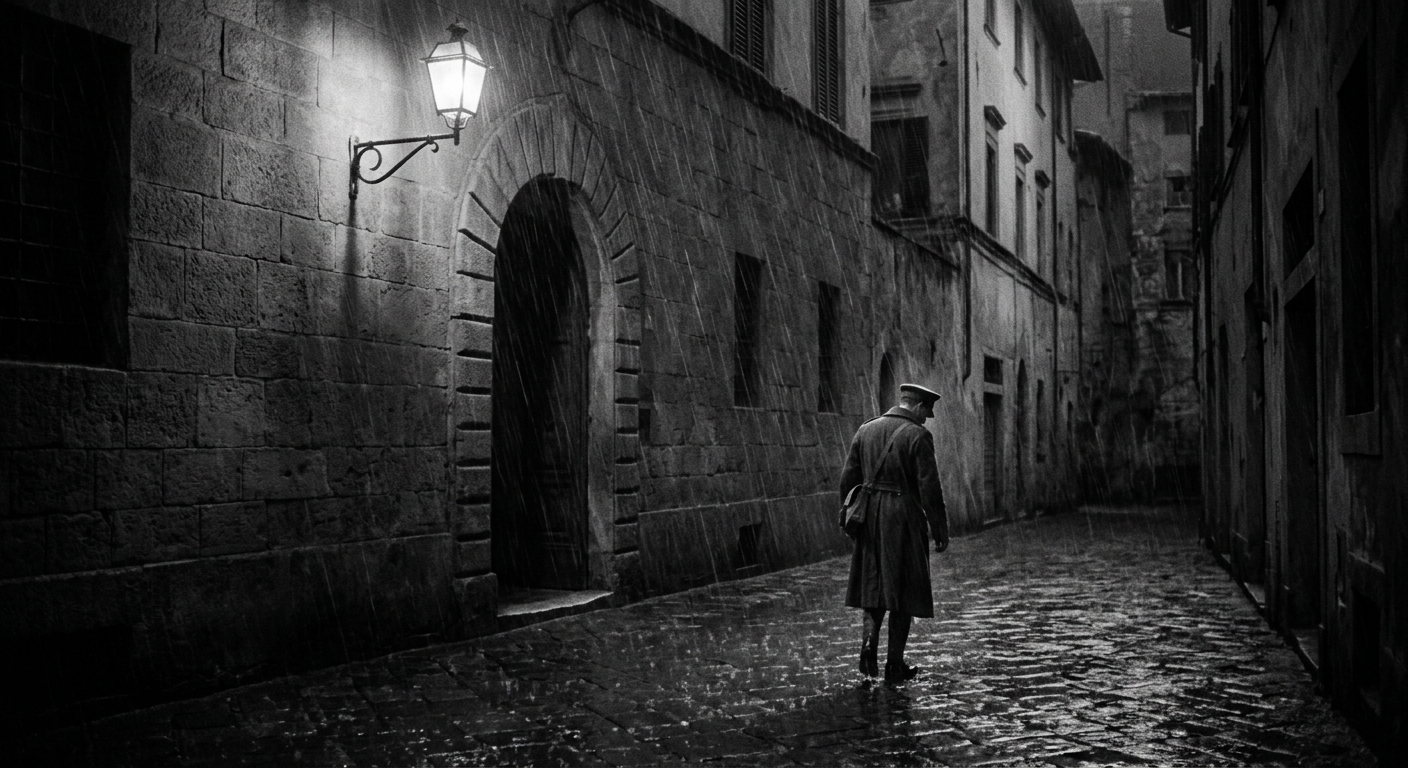
Slow the clock. Weight is duration. After Catherine dies, Hemingway ends A Farewell to Arms with the flattest sentence in the book: “After a while I went out and left the hospital and walked back to the hotel in the rain.” No wailing. He gives the moment a walk and some rain, and the quiet does the weighing.
Melodrama turns up the volume. Weight comes from turning up the time.
Count the sentences your biggest loss gets. Then give it three: one that names the nouns, one that shows who else it lands on, one short sentence at the end that slows the reader to a walk. If the loss gets a line, it weighs a line.