Dramatic Weight Is a Genre Promise
A body turns up in chapter one. In one book the reader leans closer, dreading what the death will cost. In another, they settle in to guess whodunit over tea. Same corpse. The difference isn’t gore or stakes. It’s weight, and the weight isn’t set by the event. It’s set by the promise the genre made before page one.
I call it dramatic weight: how much tonnage an event carries on the page. Your reader’s scale was calibrated in the bookstore. A noir reader bought a ticket for guilt. A cozy reader bought a puzzle and a pot of tea. Charge the wrong amount and they’ll feel cheated without being able to say why.
Two classics, same event. In The Big Sleep, the deaths pile up and Philip Marlowe cracks wise all the way down, because hard-boiled fiction carries its weight the way a hangover does: felt everywhere, mentioned never. “Dead men are heavier than broken hearts,” Marlowe says, and in his world it’s simply physics. The corpses accrue like a debt coming due, and the wisecracks are the interest.
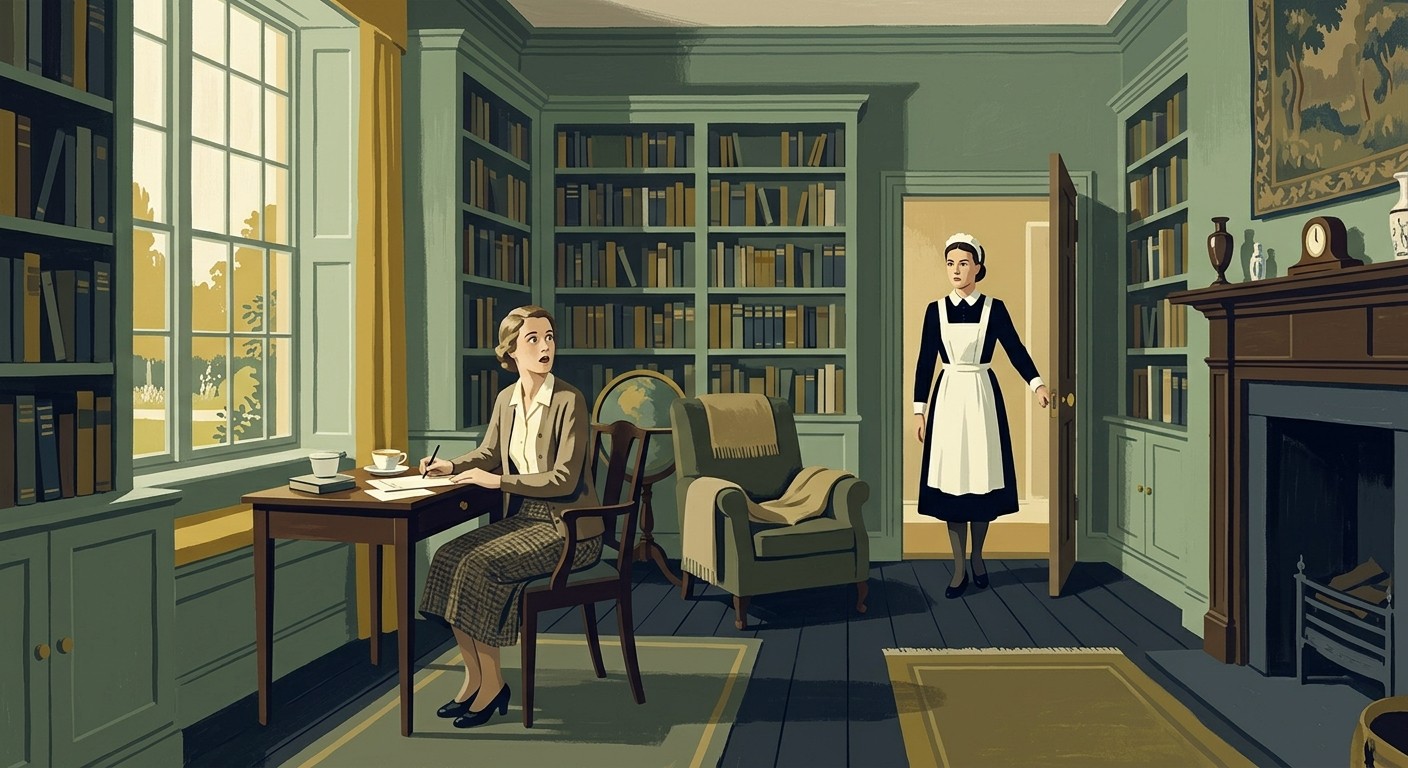
Agatha Christie opens The Body in the Library with the announcement delivered like breakfast: “Oh, ma’am, oh, ma’am, there’s a body in the library!” Mrs. Bantry sits up mid-dream about prize sweet peas. The Colonel’s first concern is that he’ll look a fool going downstairs. The scandal is social, the fun is the puzzle, and Christie spends the corpse exactly as advertised.
Three mechanics.
Weight is a promise, so calibrate to the shelf, not the event. The murder that damns a noir detective’s soul is, in a village mystery, a knot the whole parish gets to untangle. Both books are telling the truth about death; they’re just using different exchange rates.
Pay in your genre’s own currency. Noir converts a body into corruption and guilt; the cozy converts it into clues, gossip, and the pleasure of a puzzle solved. The weight gets spent either way. What matters is that the reader recognizes the coin.
Never switch currencies mid-book. Weight can rise as the endgame approaches; that’s escalation inside the promise. But a cozy that suddenly luxuriates in forensic detail has broken its word, and so has a noir that resolves itself tidy and unscarred. Readers call it “too dark” or “a cheat,” and they’re describing the same sin: the wrong tonnage.
Take the worst thing that happens in your first three chapters and write down what your genre promised the reader it would cost. Then reread the scene. If the weight on the page is heavier or lighter than the promise, you’ve found your revision target: fix the scene, or fix the promise.