Dress Your Characters on Purpose
Writers describe clothing in one of two failure modes: the catalog (head to toe, brand by brand) or the void (nobody wears anything at all). Both waste free characterization.
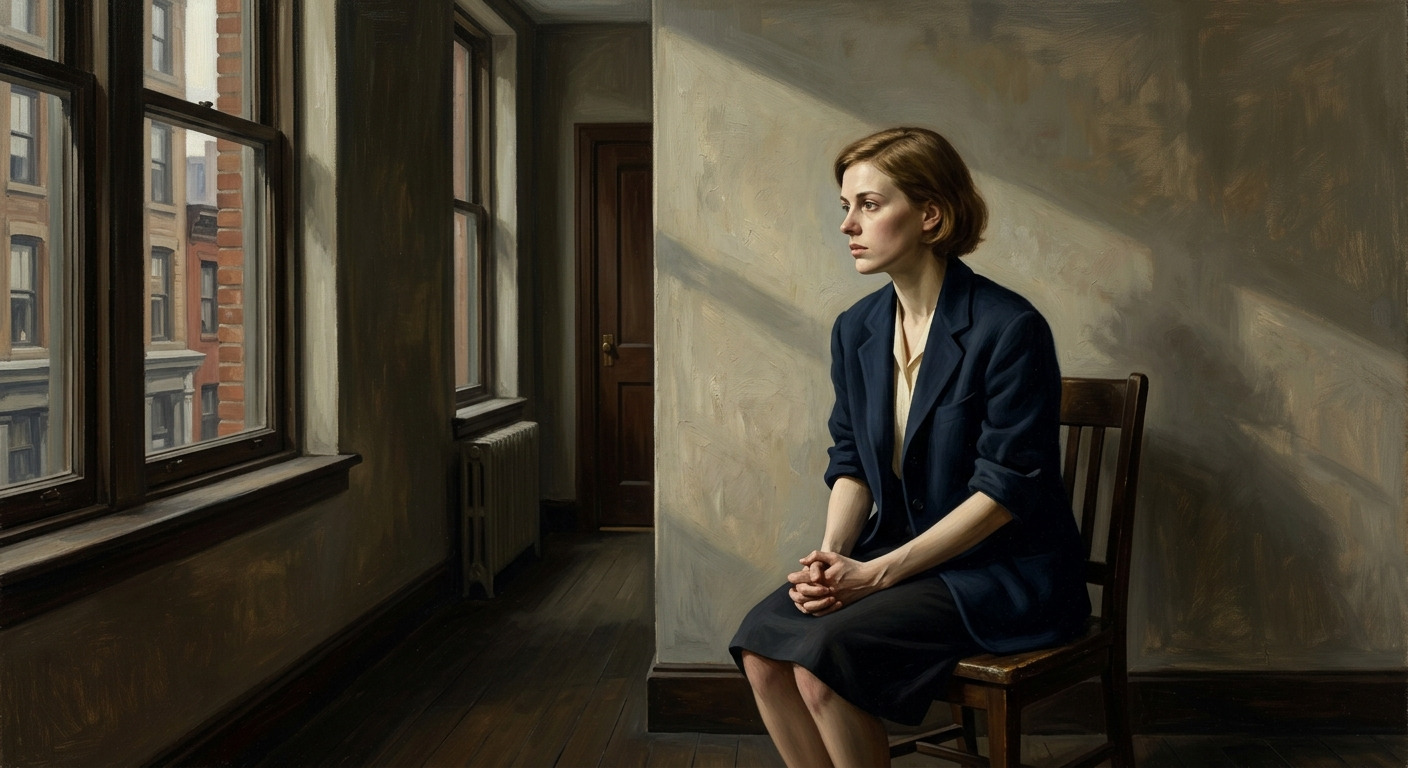
A described garment is a decision. Readers read class, budget, vanity, and self-awareness straight off the fabric: a blazer cut for someone bigger says more about a job candidate than two paragraphs of nervousness.
Jonathan Kellerman’s Alex Delaware books treat wardrobe as evidence. What a client wears into a first session is data, and Delaware reads it the way he reads a hesitation.
Three moves do the work:
One telling item beats an inventory. The scarf matters; the jeans don’t.
Clothes should sometimes fight the occasion. Dressed too carefully for a casual dinner is a confession.
A garment that recurs becomes a motif. The cardigan she kept after the funeral carries weight every time it appears, whether you comment or not.
Pick a scene where two characters meet for the first time. Find what each one is wearing — if you can’t find it, neither can your reader. Choose one garment per person, specific enough that we could guess their budget and their morning from it. Then give one of them an outfit that’s wrong for the occasion, and let the reader wonder why.
Continue your writing journey