Your Flashback Answers a Question the Reader Hasn’t Asked Yet
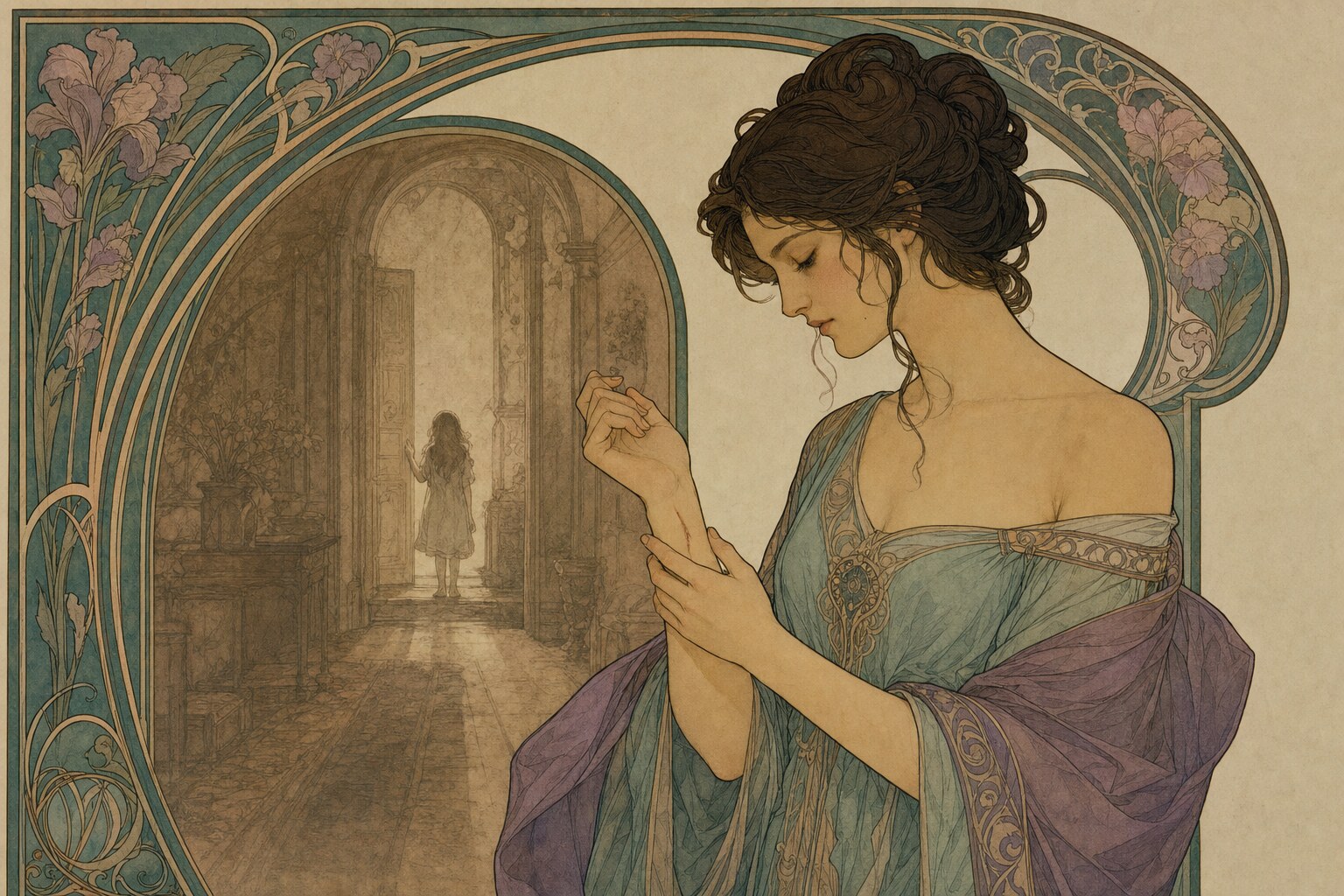
Most flashbacks arrive uninvited. The heroine touches a scar, and suddenly we’re sitting through her childhood while the story taps its foot.
Backstory lands only when the present has created an appetite for it. Watch an episode of LOST and notice the order of operations. The island crisis comes first: someone’s dying, medicine has gone missing, a surgeon with no supplies has to operate on a friend. Only then, the flashback. By the time you met Jack at fourteen, beaten up for stepping into a fight, you were already carrying the question that scene answered: why can’t this man stop trying to fix people?
Question first. Answer second. Most first-time novelists give the answer first and wonder why readers skim.
The trigger matters too. A flashback earns its page only when something in the present pulls it there: a smell, a remark, an object someone touches and puts away. And it should end on the one detail that explains the present-day flinch.
Search your draft for every flashback and italicized memory paragraph. Read the scene before each one and write down the exact question the reader is asking at that moment. If the question isn’t on the page, plant one: a call she doesn’t take, a name he won’t say. And if the flashback still sits there like a filing cabinet, cut it and scatter its two useful facts into dialogue and gesture.
Continue your writing journey