How Your Characters Enter a Scene Reveals Everything
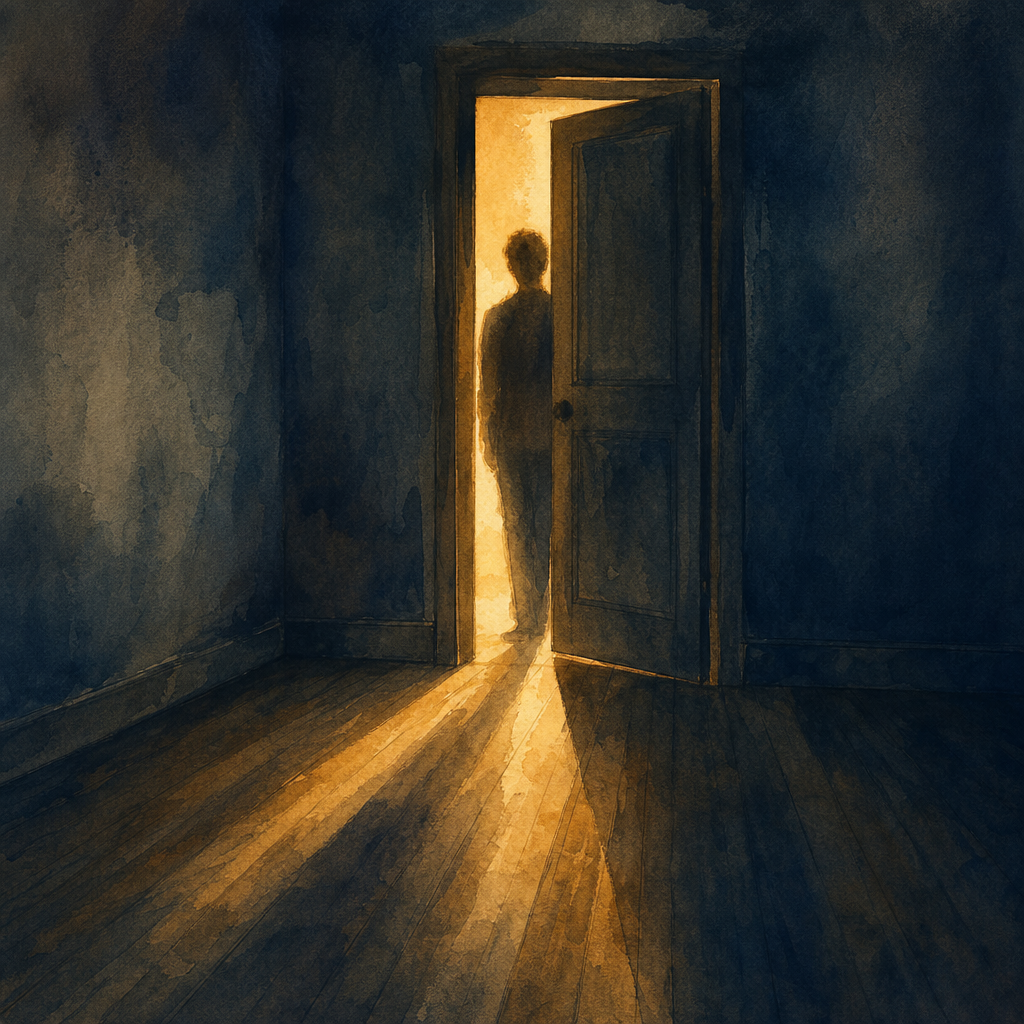
Most writers treat character entrances like stage directions. “Marcus walked into the kitchen.” Functional. Invisible. Dead.
But a character’s entry is the first image the reader gets after a scene break. Free characterization space most writers leave on the table.
A character who barges in mid-sentence. One who lingers in the doorway pretending to check a phone. One who arrives smelling like rain and cigarettes. All three tell us who they are before a single line of dialogue.
Think about how people enter rooms in real life. The friend who announces himself from the hallway. The coworker who materializes at your desk without warning. The teenager who communicates an entire mood through the force of a door closing.
The arrival sets the emotional temperature. A character slumping into a chair already talking tells us we’re mid-conflict. A character who pauses in the doorway to survey the room is calculating something.
And the same character should enter differently depending on what just happened to them. A woman coming home after a terrible date moves through her apartment differently than she does coming home from a promotion. Same room. Different entry.
Open your current draft. Find every scene entrance. For each one, ask: what does the way they enter tell me about their state of mind right now? If the answer is “nothing,” rewrite the entrance with one physical detail that reveals their mood. Not an adjective. A gesture, a sound, a hesitation.
Continue your writing journey