What Characters Don’t Say: The Power of the Non-Answer
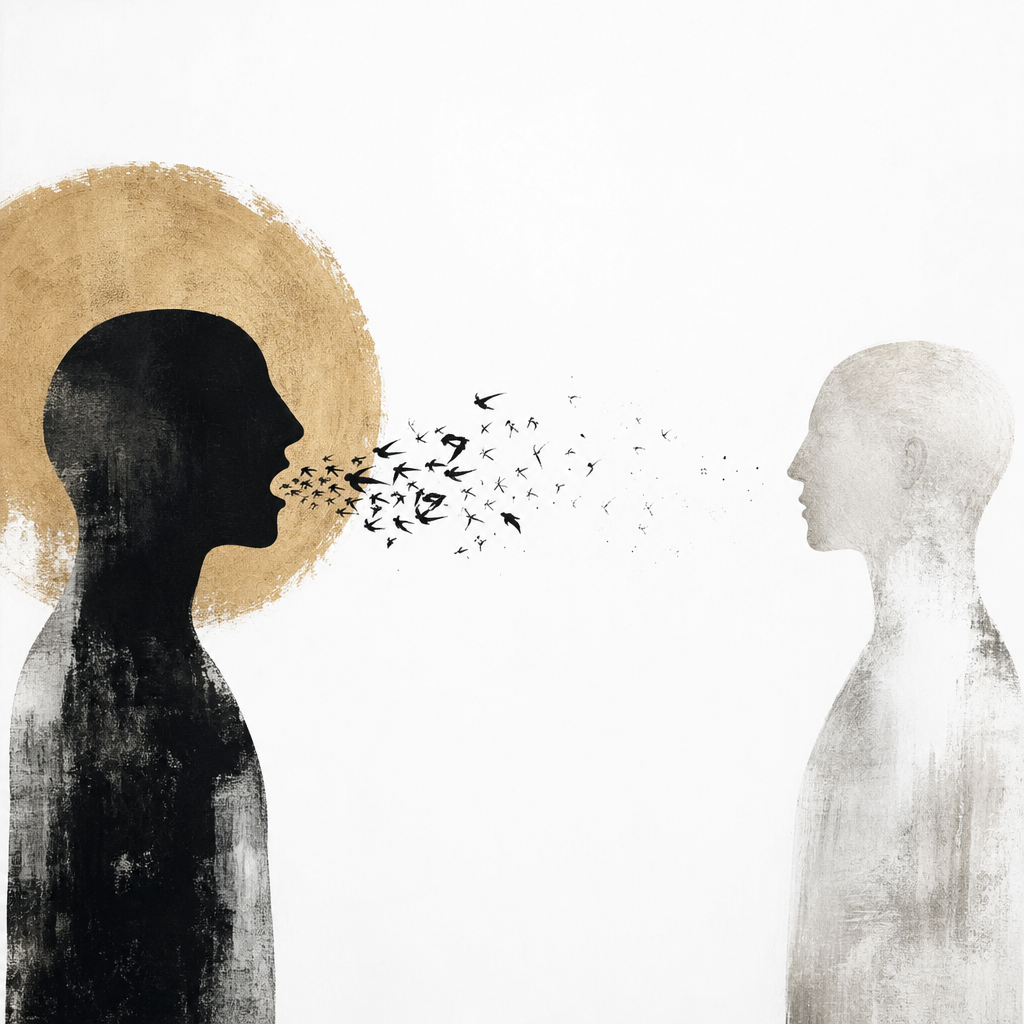
A character asks a direct question. The other one answers a completely different question. That sidestep tells you more than a direct answer ever would.
When a character deflects, they’re not failing to communicate. They’re communicating something harder to say. What they’re protecting. What they already know but can’t acknowledge. What they’re afraid will change everything if spoken aloud.
Most writers fill the gap instinctively. Question asked, question answered. It reads clean. It reads false.
The characters who haunt readers are the ones who don’t answer. They comment on the weather. They respond to a question from two scenes ago. They give a technically accurate answer to the wrong question entirely.
The non-answer carries weight honest confession can’t. It shows a mind working, a person protecting themselves. The reader feels the thing the character won’t say, and that silence hits harder than any line of dialogue that says it directly.
Go to a scene in your current draft where a character is asked something difficult—about their feelings, their past, what they know. Read what they say. If they answer honestly and directly, ask yourself whether this person actually would. Then rewrite the response as a deflection. Read both. The version where they dodge usually reveals more.
Continue your writing journey