Let the Reader Know More Than Your Protagonist
Most writers guard the reader’s ignorance like treasure. Nothing gets revealed until the hero discovers it.
The result: a story that can surprise, but never dread.
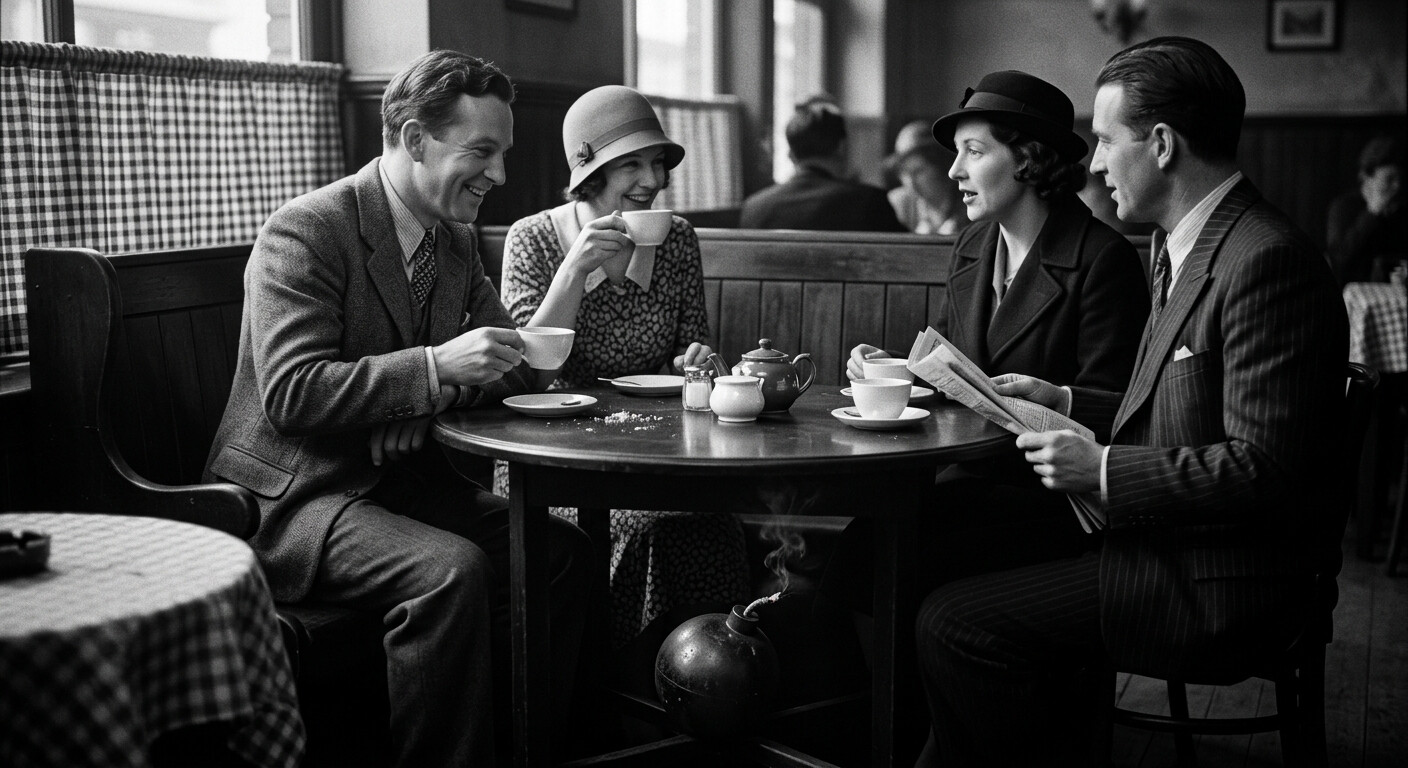
Hitchcock explained the difference with a bomb under a table. Four people sit talking; a bomb goes off. That’s surprise: a few seconds of shock. Now tell the audience the bomb is under the table before anyone sits down, and the same idle conversation becomes unbearable. The audience is dying to shout a warning. Nothing in the scene changed. Only what they know changed.
Romeo and Juliet runs on the same engine. We watch Juliet drink the sleeping draught and we know she’ll wake. The letter explaining it never reaches Romeo, and every step he takes toward her tomb is agony, because we hold the one fact he lacks.
That’s dramatic irony: tension that costs no extra plot, no chase, no action scene. Just honesty with the reader, one scene early. Once they know, every casual line your character speaks gets a second meaning. “I’ve never been happier,” she says, and the reader winces.
I recommend single viewpoint for most stories. It’s the way to best engage your reader. But there’s one good argument for writing a bit outside the protagonist’s viewpoint, and that’s suspense. Telling the reader about the bomb means leaving the hero’s head for a moment, and that brief excursion is what buys the dread. This is particularly useful in scripts, since movies are inherently from outside the protagonist’s viewpoint. The camera can show the audience exactly what’s under the table.
Go to the worst thing that happens in your book. Back up one scene and give the reader the fact, plainly: a letter the reader glimpses, three paragraphs from the villain’s side, one overheard phone call. Then let your character walk in smiling, and watch what the next casual line costs.
Continue your writing journey