The Sense a Camera Can’t Record
Most drafts read like screenplays. Every description is something a camera could film: faces, rooms, weather. That’s the visual default, and it flattens prose.
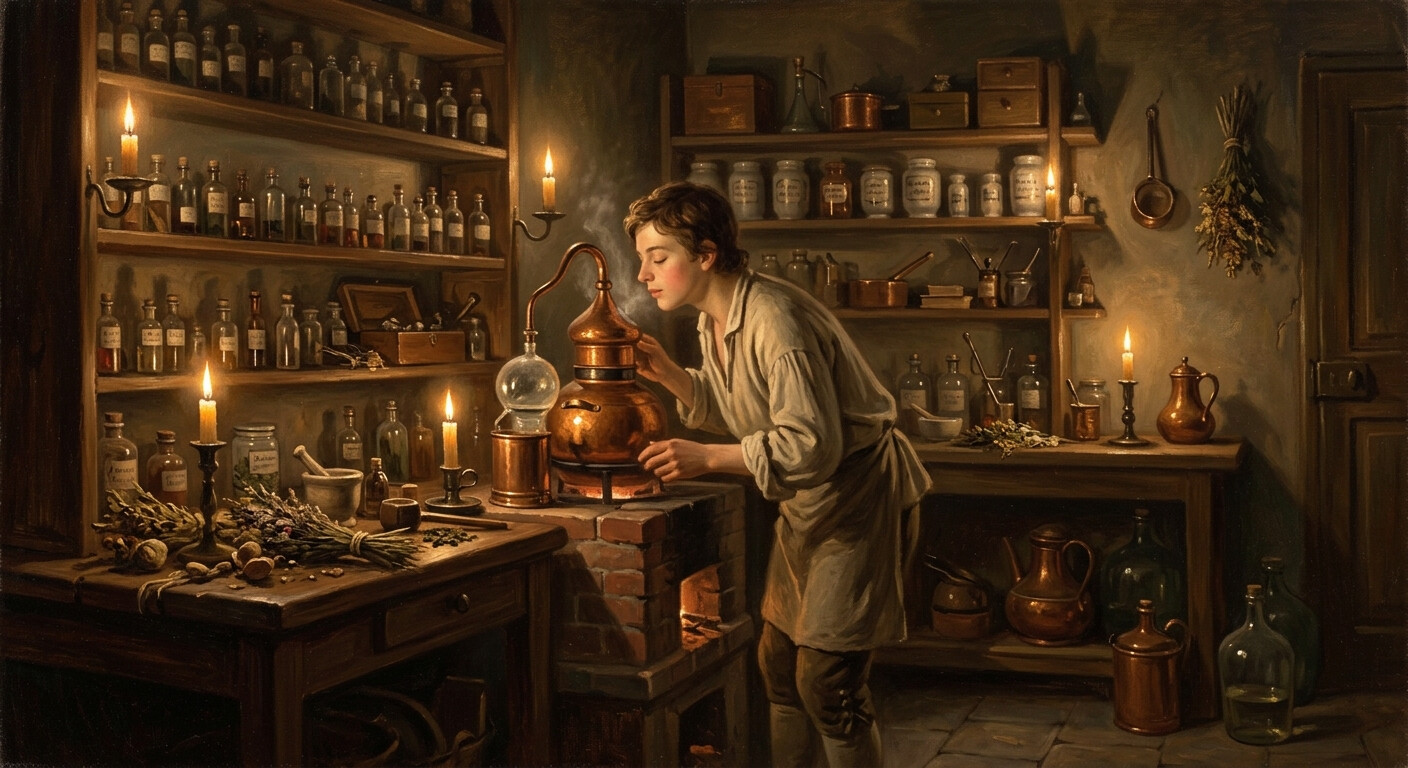
Here’s what film can’t do. Smell hooks straight into memory; the brain runs it on a private line, no switchboard. One sentence of scent can do more work than a paragraph of scenery. Touch is the trust sense: readers believe a texture before they believe an adjective.
Patrick Süskind built an entire novel on this. In Perfume, his protagonist reads 18th-century Paris through the nose alone: the stink of the tanneries, the sweetness drifting off a plum cart. You’re inside a mind no camera could enter.
The skill is selection. One sense per scene, and the right one for the job. Grief belongs to smell: the coat that still smells like him. Fear belongs to the body: dry mouth, cold hands, a floor that seems to tilt. A new setting lands harder through one specific odor than three sight lines.
Find the scene you wrote most recently and tag every descriptive detail with the sense it serves. If the page comes back all sight, rewrite the most important moment in a sense the camera can’t record, and watch which sentence gets hard to forget.
Continue your writing journey