Relief Is a Tension Technique
Somewhere along the way, writers absorbed a rule: every scene has to end worse than it began. Each chapter ends on a fresh disaster, and the next one opens on the wreckage. Then, around chapter twelve, the reader stops flinching. Catastrophe in bulk is noise; nothing costs anything.
The books you love let the pressure off on purpose. The craft question is where the reader’s fear goes while they relax.
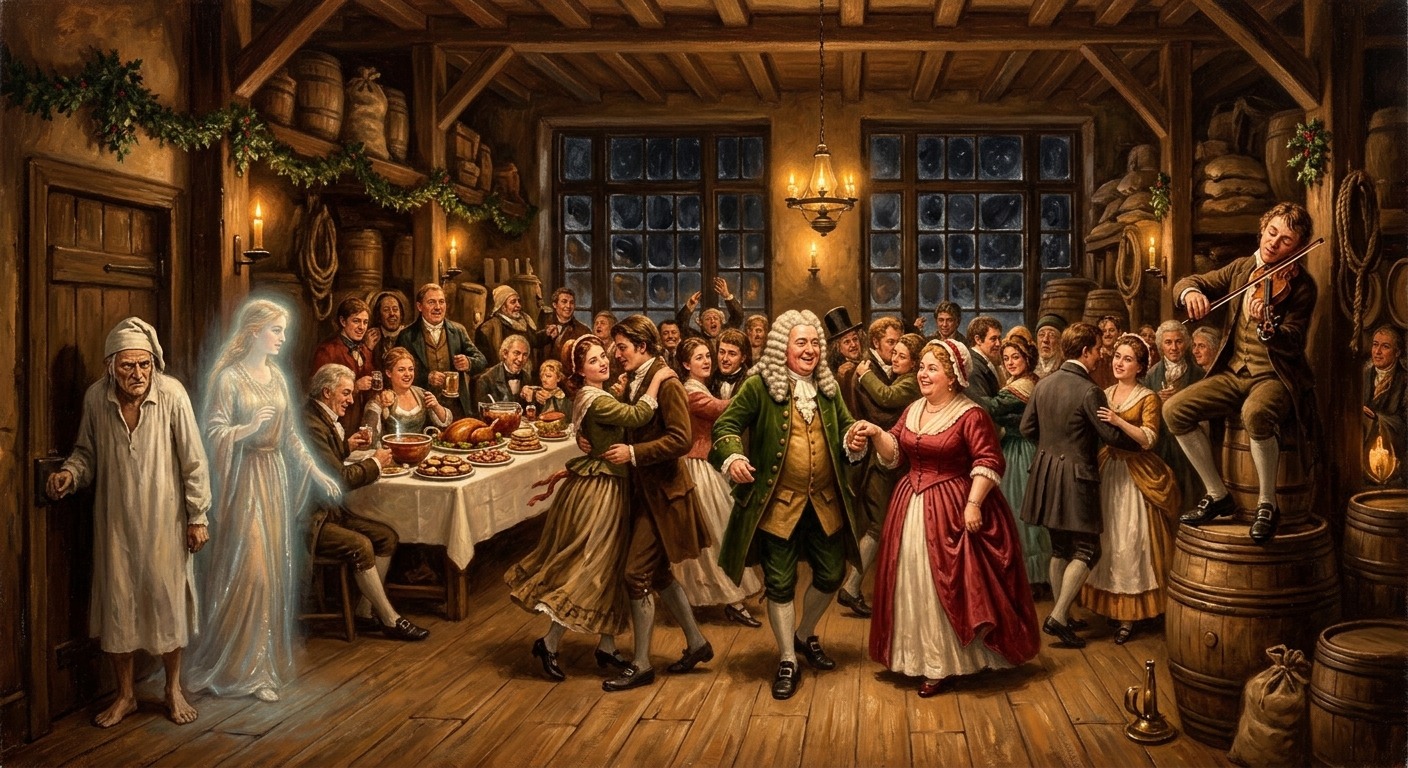
In A Christmas Carol, the warmest scene in the book does the turning. The Ghost walks Scrooge into old Fezziwig’s warehouse on Christmas Eve. The fiddler tunes up, the desks clear away, the boss and his wife lead the dance, and the table groans under pie and punch. Nothing happens but a party. Yet watching it, Scrooge forgets to be a miser: “He has the power to render us happy or unhappy; to make our service light or burdensome; a pleasure or a toil.” And a breath later: “I should like to be able to say a word or two to my clerk just now.” The book pivots in the middle of a dance. The happiness is what indicts him.
Pride and Prejudice does it with a house tour. Elizabeth walks through Pemberley certain she will never see Darcy again: no danger, no plot, just a housekeeper’s praise: “He is the best landlord, and the best master that ever lived.” The reader comes out of that scene hoping instead of bracing. Austen has quietly changed what we are afraid of. Fifty pages later, when Lydia elopes, the dread has somewhere specific to land.
Here is the mechanism. Relief changes where the fear lives. Hand the reader a taste of what the character wants — warmth, safety, one small win — and the next threat arrives wearing a price tag. Disaster after disaster is noise. Disaster after a taste of happiness is loss.
Find the stretch of your draft where things go wrong twice in a row. Write the scene between them as earned relief: one thing your character gets, enjoys, or laughs at, rendered warmly enough that the reader settles in. Then end the scene one beat before the reader is comfortable and note what they are now afraid of losing. If the answer is nothing, the relief is decoration; make the warm thing matter to the plot.