The Middle Should Look Like a Sawtooth
A middle where the hero wins every scene is a ramp. A middle where she loses every scene is a slide. Both are straight lines, and readers feel the flatness even when they can’t name it.
In my classes I have students draw a picture of their novel instead of outlining it. One point per chapter: how is the protagonist doing at the end of it? Connect the dots.
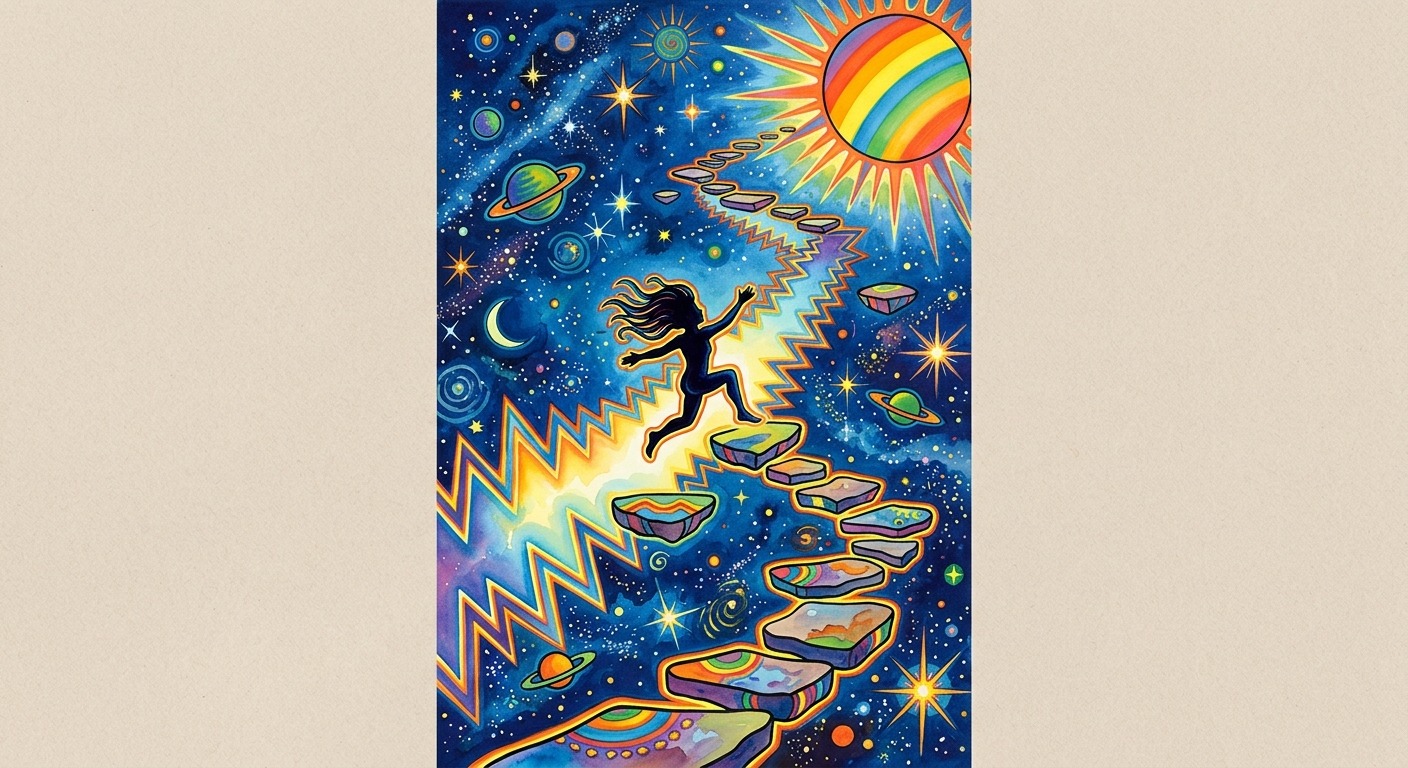
The novels that work all draw the same shape. A sawtooth. Up, down, up, down, with every valley a little higher than the one before.
The upstrokes are the attempts that pay off. The downstrokes are the price. Three rules make the shape read as momentum instead of noise.
Every attempt banks something, even when it fails. A fact, a tool, an ally, a suspicion confirmed. She comes out of the loss holding more than she went in with.
Every setback lands above the last valley. She falls back, but not to where she started. The floor of the story rises.
And the gains cause the losses. The new fact is what provokes the enemy’s counterstroke. That linkage is what turns a zigzag into momentum instead of whiplash.
When the line runs straight you can feel it. A ladder of unbroken wins reads like a progress bar; the reader never worries. A long slide of losses reads like one beat played eight times.
Take a sheet of paper and plot your middle, one dot per chapter. Connect them. Find the straight stretches. A run of wins is missing a real cost; a run of losses is missing a bank. Write the beat that bends the line.