When Characters Shouldn’t Agree: The Power of Asymmetric Dialogue
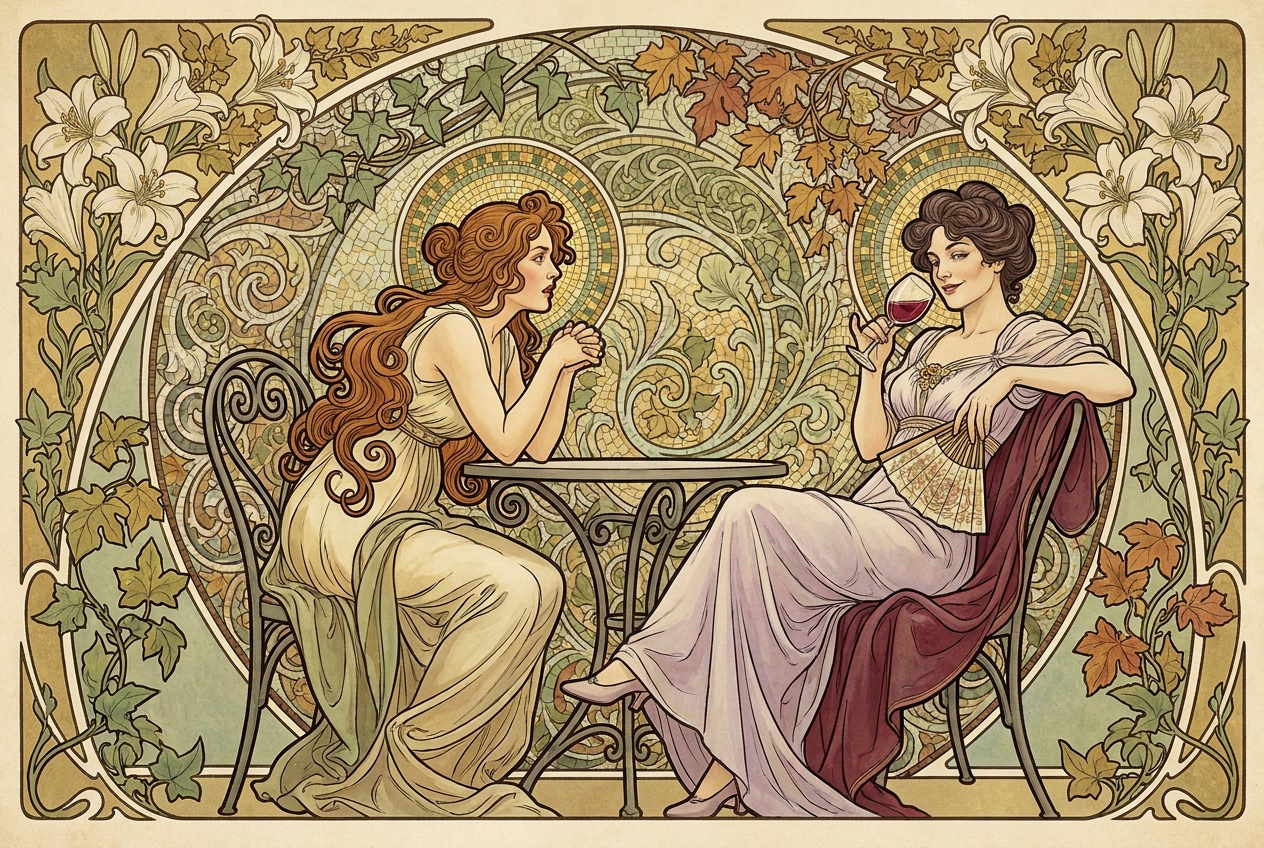
Dialogue in a bad novel reads like a tennis match. One character hits the ball; the other hits it back. They answer each other’s questions, agree on the facts, and wait politely for their turn to speak. Real conversation is a traffic jam.
Most people listen only to find a gap where they can insert their own agenda. If your characters walk into a scene with the same focus, your dialogue turns into an information dump. The secret to making dialogue electric is asymmetry. Give each character a completely different, competing goal for the conversation—and make them refuse to yield.
One wants to talk about the leaking roof; the other wants to talk about their mother’s upcoming visit. They talk past each other, weaponizing their own topics, until the tension escalates into a collision; that friction is where the real drama lives. When characters have asymmetric agendas, every line becomes a tug-of-war. The reader has to work a little harder to follow the subtext; that investment is what keeps them turning pages.
So do this: Open your current chapter and find a conversation between two characters. Draw a line down a sheet of paper. On the left side, write down exactly what the first character wants to achieve in this exchange. On the right, write down the second character’s goal.
If those goals are similar, rewrite the scene. Force them to talk about two entirely different things, only acknowledging the other person’s lines when they can use them to advance their own agenda.
Continue your writing journey