The Last Temptation Scene: Why Most Character Arcs Feel Incomplete
Most character arcs end at the climax. That’s where the protagonist demonstrates new behavior under pressure — the big moment. But the scene most writers skip comes right after.
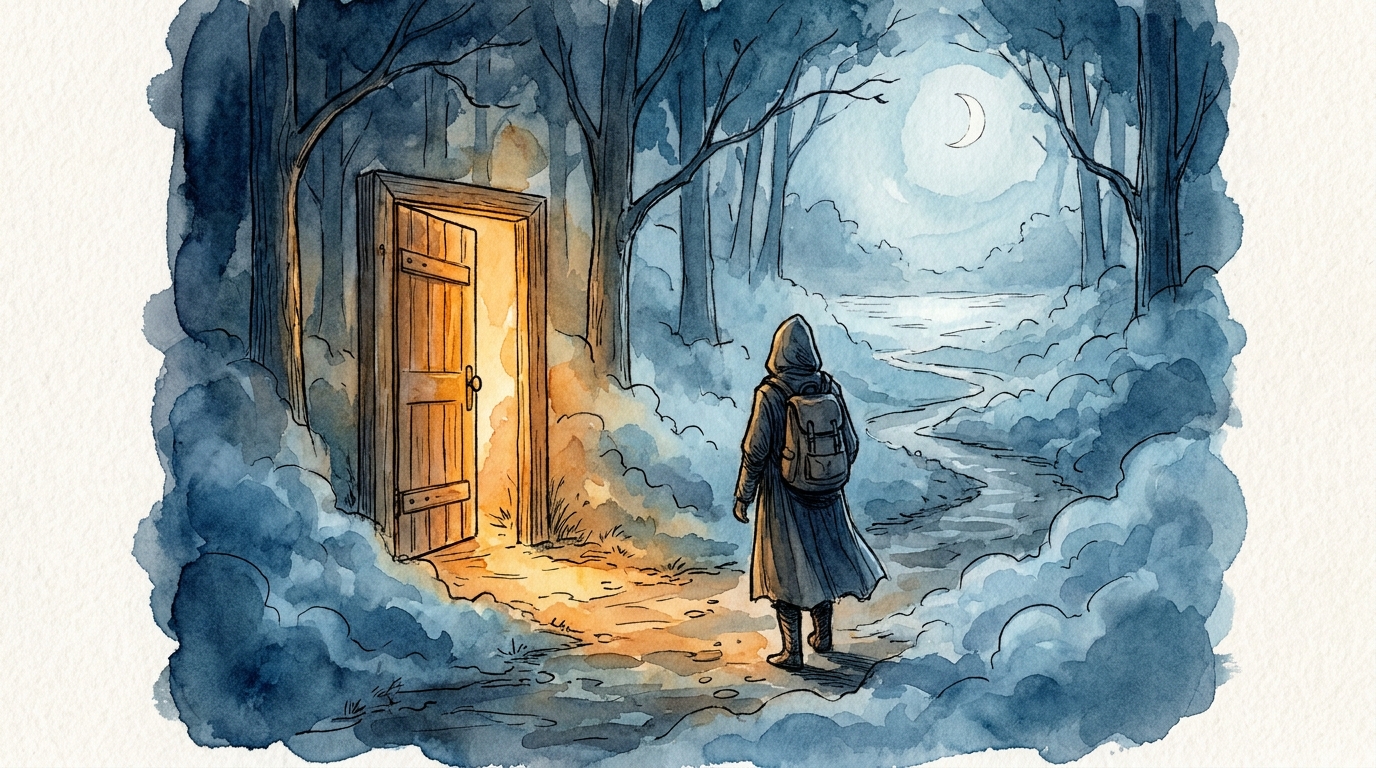
I call it the last temptation scene. The moment when the old way of being becomes available again: the old lover shows up one more time, the escape hatch cracks open, someone offers the comfortable lie your protagonist has been living for 300 pages.
The climax proves your character can change under fire. The last temptation scene proves the change was real. When it’s missing, the transformation feels like something that happened to the protagonist, not something they chose.
The difference shows up in how readers describe the book. “She finally got it together” versus “she had to choose.” One is a passive process. One is a decision.
Exercise: Find your climax. Identify the last action your protagonist takes to prove they’ve changed. Now write a single beat — a scene, a line of dialogue, a moment — that comes after the climax and offers the old choice one more time. They should refuse it cleanly. If they can’t, the arc isn’t finished.
If your draft has the right events but the ending still feels hollow, the fix is almost always structural. How to Fix Your Novel walks through exactly this kind of work — finding where the story’s emotional architecture breaks down and repairing it.