A Weakness Is a Pattern, Not an Incident
One clumsy scene is a bad day. The same flaw in three different manuscripts is you.
Most writers diagnose themselves from incidents: a scene that fell flat, a critique that stung, a chapter that fought back. Incidents lie. You were tired. You were rushing. You were writing a scene type you’d never attempted before.
Patterns don’t lie. Sagging middles that recur, endings that explain too much, characters who go quiet for pages: when the same flaw survives from book to book, it isn’t bad luck. It’s a habit. And a habit has an address. You can find it and do the work.
Here’s what matters: a weakness you can’t name runs your writing from the shadows; a weakness you’ve named is just a skill gap. Skill gaps close.
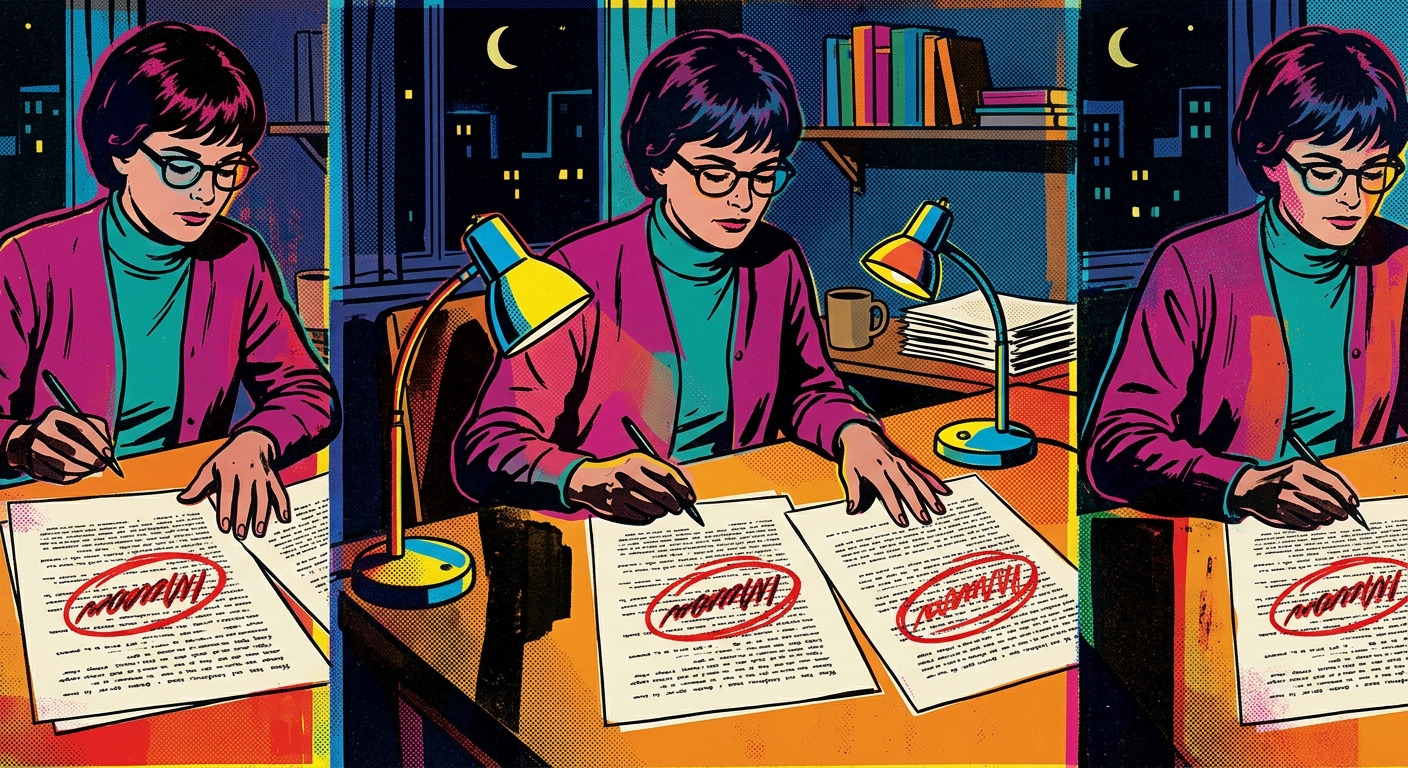
Dig out your last two manuscripts (or your last few stories) and make two lists: what disappointed you in each. Circle anything that appears on both lists. Whatever survives the circle isn’t a fluke—it’s your actual weakness, and it just became your training plan.
Writing Academy has 22 courses and 640 lessons covering craft from every angle—structure, POV, voice, pacing, scene work, and more. All included with lifetime access at Writing Academy.