Skip to content

Writing Academy Blog

  • Home
  • Blog
  • Newsletter
  • Classes
  • Books
  • TopicsExpand
    • Children’s Books
    • History
    • Marketing
    • Mysteries
    • Non-Fiction
    • Romance
    • Screenwriting
    • Self-Publishing
    • Traditional Publishing
    • Young Adult Books
  • Writing TipsExpand
    • Beginnings & Endings
    • Characters
    • Dialogue
    • Scenes
    • Setting
    • Structure
    • Wordcraft
Writing Academy Blog

  • Painted illustration of a woman archaeologist excavating from the center of a dig site, with warm golden light glowing from the mosaic beneath her while other workers dig from the edges
    Structure | Writing Tips

    Why Your Draft Doesn’t Have to Start at Page One

    Bysteve May 22, 2026June 11, 2026

    Most writers assume the manuscript works like reading—start at page one and go until “The End.” That assumption kills more novels than any craft problem. The draft isn’t the story. It’s the excavation. And no one starts an excavation at the exact edge of the site and works right to left. When you hit a…
    Read More Why Your Draft Doesn’t Have to Start at Page OneContinue

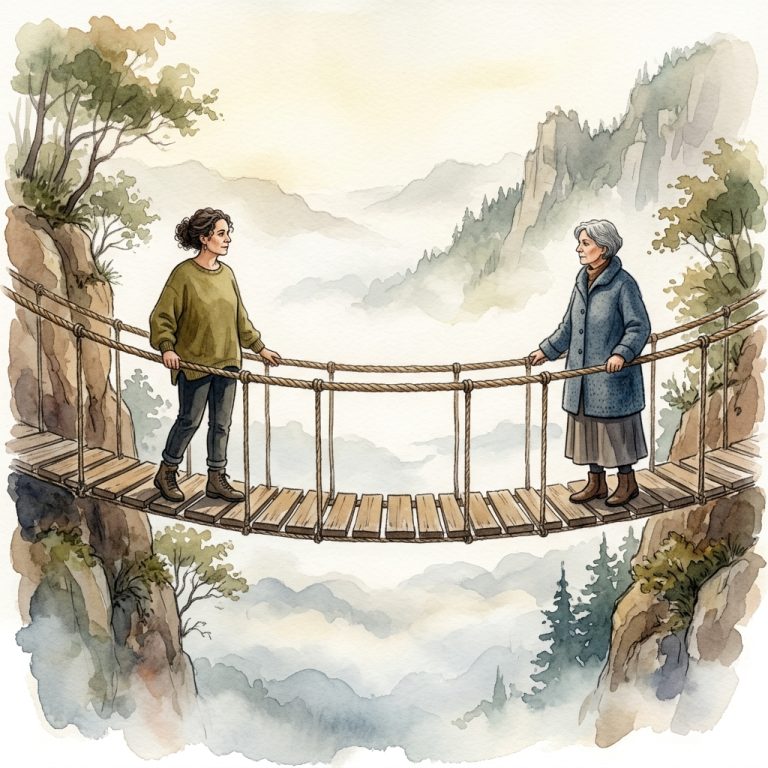
  • Watercolor illustration of two women on opposite ends of a rope bridge in misty mountains, each gently pulling the rope—symbolizing two equally justified characters in conflict
    Characters | Scenes | Writing Tips

    When Both Characters Are Right: The Real Definition of Conflict

    Bysteve May 21, 2026June 11, 2026

    Writers confuse argument for conflict. They’re different things with different effects on readers. Argument is one character wanting something while another objects; that’s an obstacle wearing a person’s face. Real conflict is two people who are both completely justified. Take the mother who refuses to let her daughter leave town—she buried her husband eight months…

    Read More When Both Characters Are Right: The Real Definition of ConflictContinue

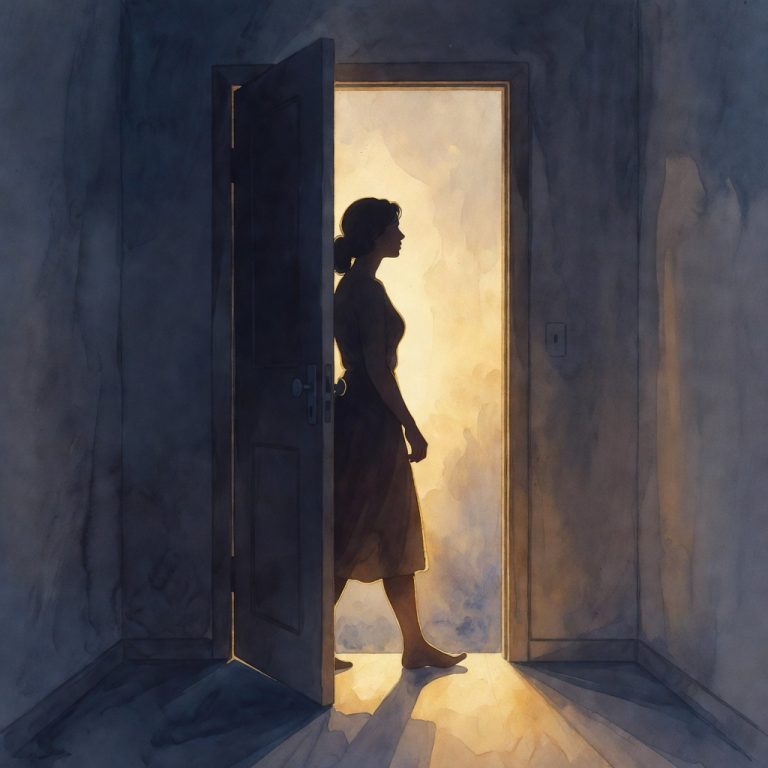
  • Watercolor illustration of a woman silhouetted in a doorway, paused on the threshold between warm golden light and cool blue shadow
    Beginnings & Endings | Structure | Writing Tips

    Why Most Chapters Give Readers Permission to Put the Book Down

    Bysteve May 20, 2026June 11, 2026

    Most chapters end too quietly. The writer finishes a scene, wraps it up cleanly, and moves on. Readers set the book down. A chapter ending has one job: make setting the book down feel like a small act of self-harm. The tool is an open loop—a question the reader’s brain can’t close. But “she heard…

    Read More Why Most Chapters Give Readers Permission to Put the Book DownContinue

  • What Your Narrator Gets Wrong About Everyone Else
    Characters | Wordcraft | Writing Tips

    What Your Narrator Gets Wrong About Everyone Else

    Bysteve May 19, 2026June 11, 2026

    Your narrator is lying to you. The question is whether it’s on purpose. Every narrator is unreliable to some degree—they can only report what they notice, and what they notice reveals what they believe. The dangerous kind is the narrator who doesn’t know they’re wrong. Here’s the tell: your narrator never questions their own interpretation…

    Read More What Your Narrator Gets Wrong About Everyone ElseContinue

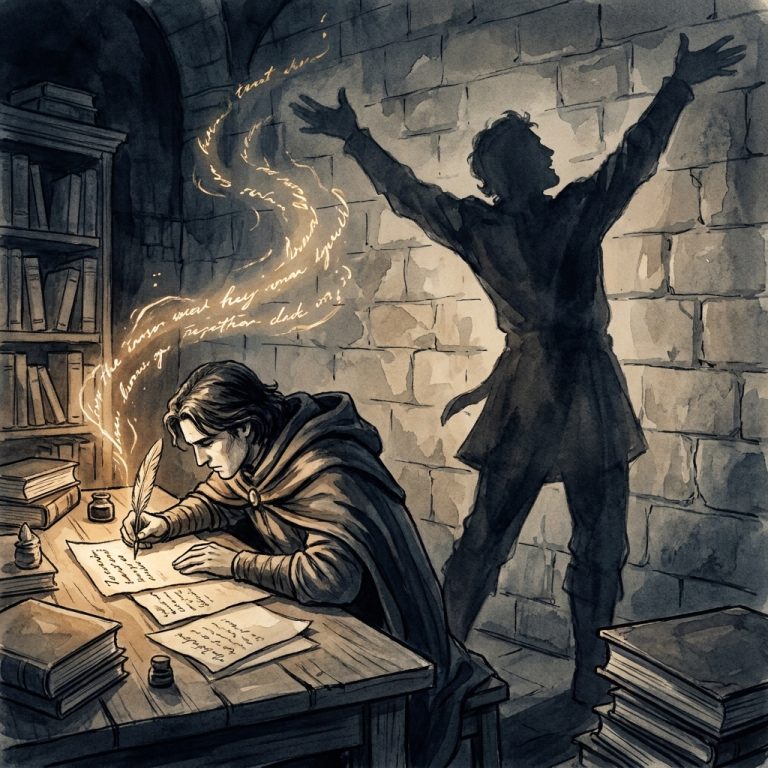
  • Illustration of a woman at a writing desk, her shadow on the wall showing her younger self reaching outward—a metaphor for the two selves required in memoir writing
    Characters | Writing Tips

    The Hidden Flaw in Most Memoir Drafts

    Bysteve May 19, 2026June 11, 2026

    Most memoir drafts have one fatal flaw: only one version of you shows up on the page. There’s the you who lived through the event—confused, scared, hopeful, probably wrong about everything. And there’s the you writing the book, who can see the whole arc from the distance of years. Both need to be on the…

    Read More The Hidden Flaw in Most Memoir DraftsContinue

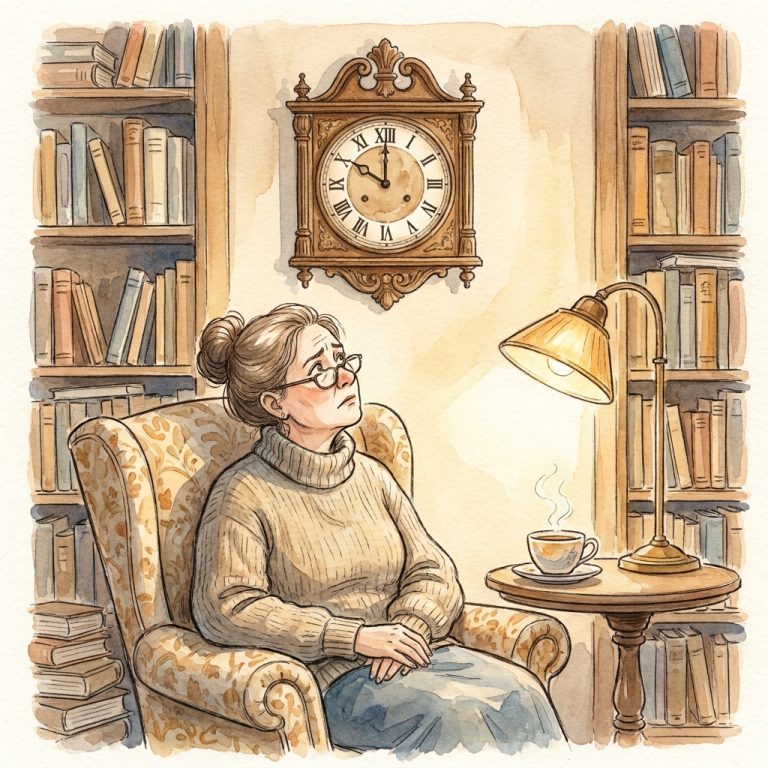
  • Watercolor illustration of a woman in an armchair glancing uneasily at a clock on a bookshelf-lined wall
    Beginnings & Endings | Writing Tips

    Your First Line Has One Job—and Beauty Isn’t It

    Bysteve May 18, 2026June 11, 2026

    Most first lines try to be beautiful when they should be unsettling. Your opening sentence has one job: make the next sentence unavoidable. Setting a scene doesn’t do that. A beautiful image doesn’t do that either. Imbalance does. Something slightly off, too specific to ignore. “They shoot the white girl first.” “It was a bright…

    Read More Your First Line Has One Job—and Beauty Isn’t ItContinue

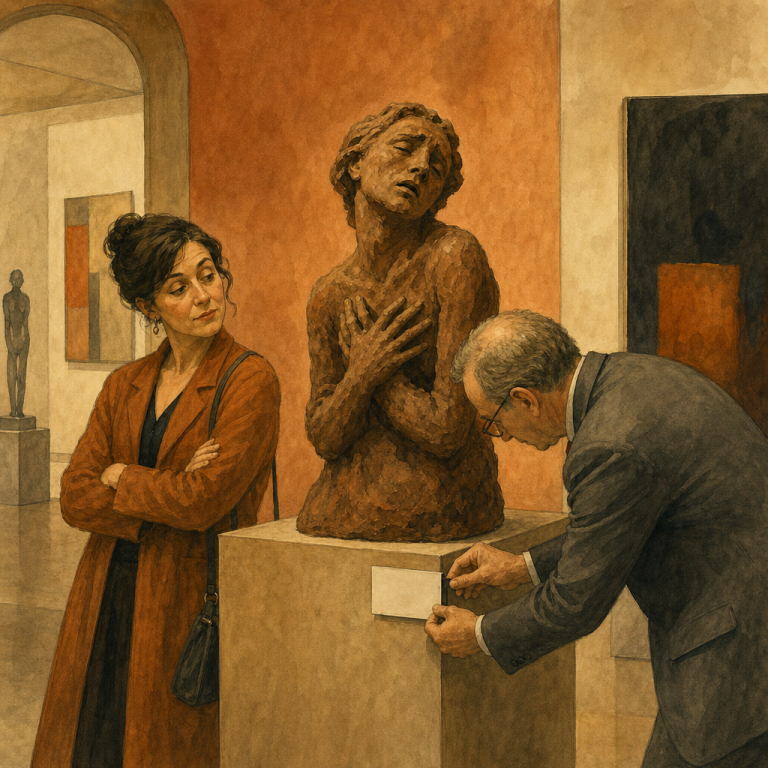
  • Watercolor illustration of a woman in a gallery looking skeptically at a curator affixing a label to an expressive sculpture that already conveys its emotion
    Wordcraft | Writing Tips

    Why Your Most Emotional Scenes Fall Flat—And the Ten-Second Fix

    Bysteve May 17, 2026June 11, 2026

    Most writers who’ve read “show don’t tell” enough times have started showing—and then named the emotion anyway. Here’s what that looks like: “Her hands went cold. She was terrified.” The physical detail already did the work. Labeling the emotion is you peeking around the curtain—“Did you feel that?” Trust the image. Cut the label. The…

    Read More Why Your Most Emotional Scenes Fall Flat—And the Ten-Second FixContinue

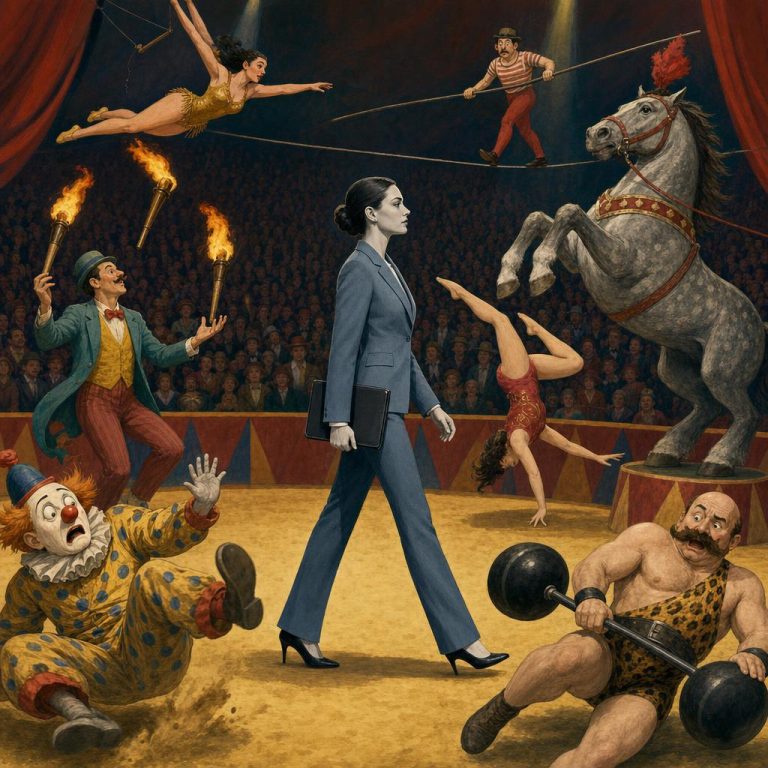
  • Illustration of a composed businesswoman in a gray suit walking through a chaotic circus ring, surrounded by acrobats and clowns, completely deadpan and oblivious to the absurdity around her
    Wordcraft | Writing Tips

    The Deadpan Rule: Why Trying to Be Funny Makes Your Comedy Fall Flat

    Bysteve May 16, 2026June 11, 2026

    Writers who try to be funny usually aren’t. I’ve seen this pattern hundreds of times in student manuscripts. A character makes a wry observation. Another character responds: “Very funny, Ellen.” The first character smirks. The reader does not smile. The problem is the author signaling that a joke just happened. Real comedy doesn’t wink at…

    Read More The Deadpan Rule: Why Trying to Be Funny Makes Your Comedy Fall FlatContinue

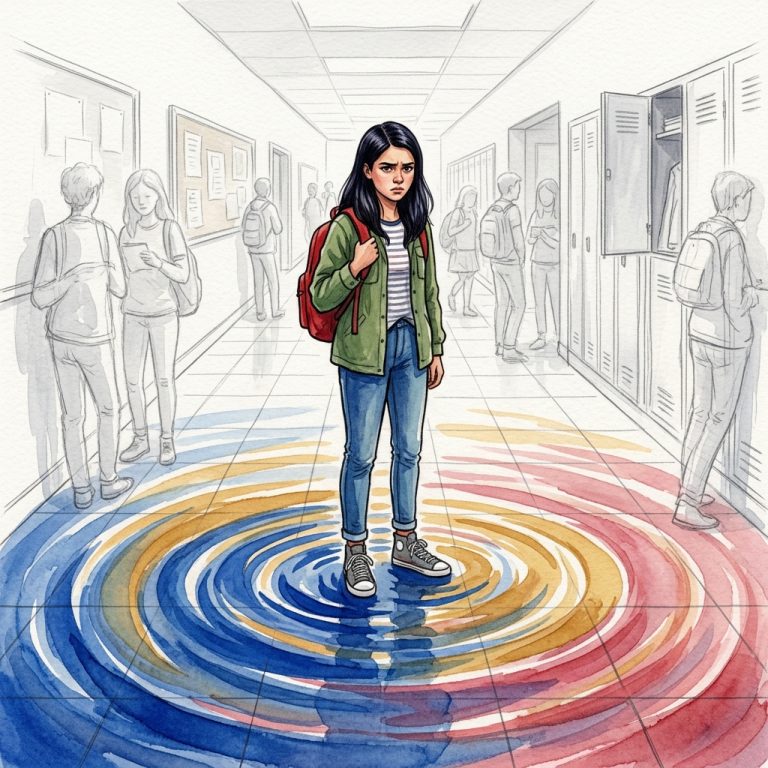
  • Watercolor and pencil illustration of a teenage girl in a school hallway, rendered in full color while surrounding students fade to gray pencil sketches, with colorful ripples radiating outward from her feet
    Characters | Wordcraft | Writing Tips

    Why Your YA Characters Sound Like Adults—And How to Fix It

    Bysteve May 15, 2026June 11, 2026

    Most YA novels written by adults fail the same way: the teen characters sound like adults trying to remember what being 15 felt like. The problem goes deeper than vocabulary. It’s what the character cares about. Adults frame problems in context—this relationship matters because of my history, this career matters because of my future. Teenagers…

    Read More Why Your YA Characters Sound Like Adults—And How to Fix ItContinue

  • Watercolor illustration of a woman cradling a cracked translucent heart from which wildflowers bloom through the fractures
    Characters | Writing Tips

    The Wound at the Heart of Every Great Romance

    Bysteve May 14, 2026June 11, 2026

    Most romance novels get the obstacle wrong. The external conflict—he’s her boss, she’s leaving town next month, there’s a misunderstanding—is decoration. Readers don’t stay for the obstacle. They stay for the wound. Every compelling romance protagonist carries something that makes love feel dangerous before the story starts. The wound is specific: she watched her mother…

    Read More The Wound at the Heart of Every Great RomanceContinue

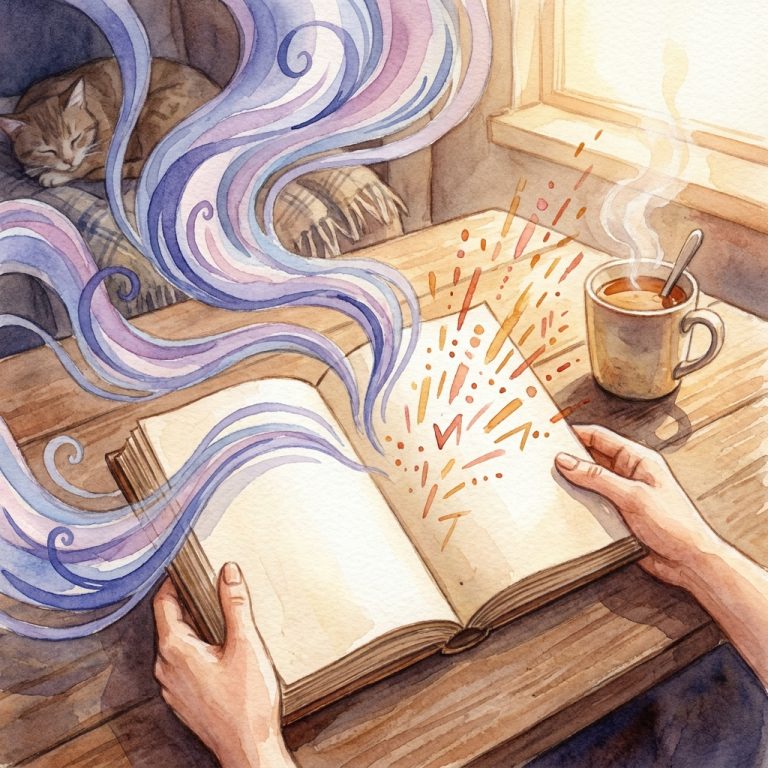
  • Watercolor illustration of hands holding an open book with flowing ribbons and staccato marks emerging from the pages, representing prose rhythm and sentence length variation
    Wordcraft | Writing Tips

    How Sentence Length Controls What Your Reader Feels

    Bysteve May 13, 2026June 11, 2026

    Most writers have a default sentence length. They write it through everything—action, reflection, grief, joy. They never vary it. And their prose reads flat as a result. Sentence length is one of the most direct levers you have over a reader’s emotional state. Long sentences slow everything down. They create room for thought, for memory,…

    Read More How Sentence Length Controls What Your Reader FeelsContinue

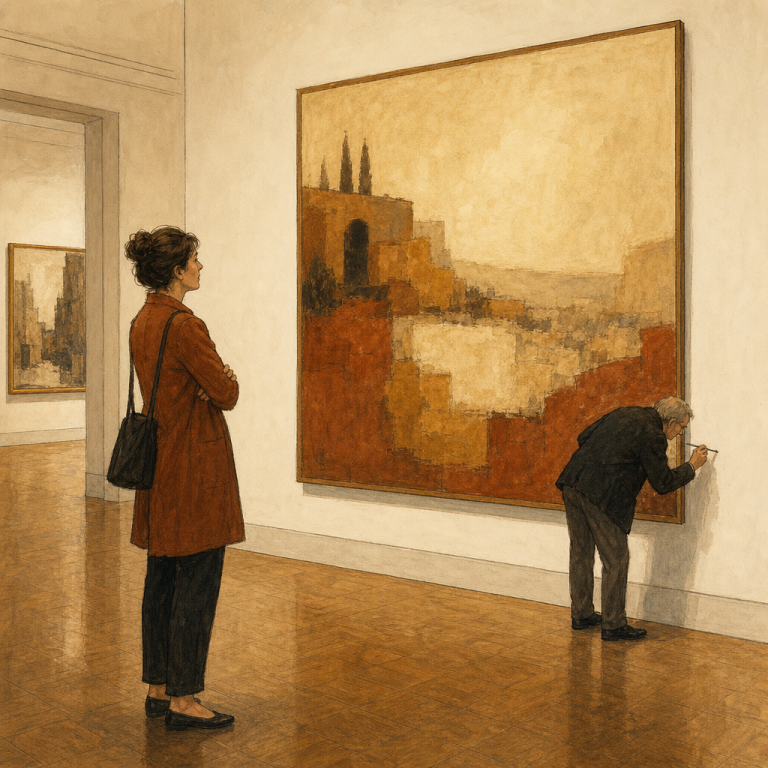
  • Illustration of a woman studying a large painting from a distance while another figure leans in close to examine a tiny detail, representing the contrast between structural revision and line editing
    Scenes | Structure | Writing Tips

    Fix the Skeleton First: Why Most First Revisions Miss the Point

    Bysteve May 12, 2026June 11, 2026

    Most first revisions fail before they start. Writers open the draft, fix sentences—and miss the only questions that matter. You can’t see structure from inside the sentences. After weeks of drafting, you’re too close. You’ll polish a paragraph that should be cut. You’ll fix dialogue in a scene that doesn’t need to exist. The questions…

    Read More Fix the Skeleton First: Why Most First Revisions Miss the PointContinue

Page navigation

Previous PagePrevious 1 2 3 4 5 … 14 Next PageNext

© 2026 Writing Academy Blog

Facebook

📝 Free Manuscript Checklist

Sign up and get the 25-point checklist my students use — plus the writing resources you choose.

  • Home
  • Blog
  • Newsletter
  • Classes
  • Books
  • Topics
    • Children’s Books
    • History
    • Marketing
    • Mysteries
    • Non-Fiction
    • Romance
    • Screenwriting
    • Self-Publishing
    • Traditional Publishing
    • Young Adult Books
  • Writing Tips
    • Beginnings & Endings
    • Characters
    • Dialogue
    • Scenes
    • Setting
    • Structure
    • Wordcraft
Search
We use cookies for analytics to understand how visitors use this site. By continuing to browse, you accept our use of cookies. Privacy Policy.