Skip to content

Writing Academy Blog

  • Home
  • Blog
  • Newsletter
  • Classes
  • Books
  • TopicsExpand
    • Children’s Books
    • History
    • Marketing
    • Mysteries
    • Non-Fiction
    • Romance
    • Screenwriting
    • Self-Publishing
    • Traditional Publishing
    • Young Adult Books
  • Writing TipsExpand
    • Beginnings & Endings
    • Characters
    • Dialogue
    • Scenes
    • Setting
    • Structure
    • Wordcraft
Writing Academy Blog

  • Watercolor illustration of an open book with sensory streams of sound, scent, texture, taste, and light rising from its pages
    Setting | Writing Tips

    Your Reader Can’t See Your Setting (Their Eyes Are Busy)

    Bysteve June 14, 2026

    Most writers describe their settings with their eyes. Colors, shapes, light, arrangement. Makes sense; that’s how we picture a scene when we imagine one. Problem is, your reader’s eyes are already occupied. They’re reading. Sound places a character inside a space faster than any visual. A dripping faucet. A conversation bleeding through drywall. The creak…
    Read More Your Reader Can’t See Your Setting (Their Eyes Are Busy)Continue

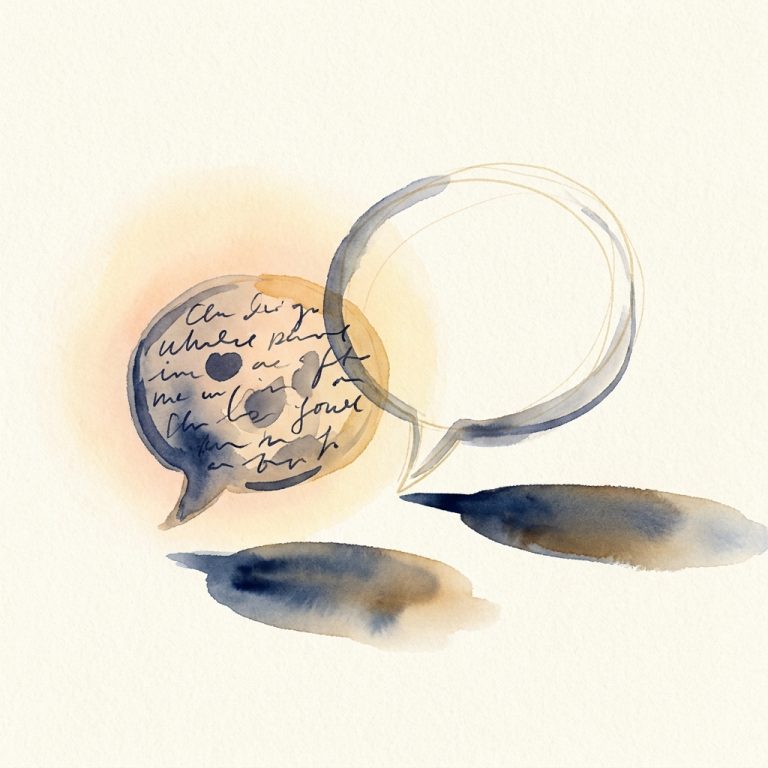
  • Watercolor illustration of two speech bubbles, one filled with text and one empty, the empty one casting a longer shadow
    Dialogue | Writing Tips

    The Most Powerful Line of Dialogue Is the One Nobody Says

    Bysteve June 13, 2026

    Most writers fill every pause in dialogue with words. One character asks, the other answers. The conversation moves forward, clean and utterly predictable. Real people dodge questions. They change the subject. They pour more coffee. Sometimes they don’t answer at all—and the non-answer carries more weight than any line you could write. Think about the…

    Read More The Most Powerful Line of Dialogue Is the One Nobody SaysContinue

  • Setting | Writing Tips

    Your Setting Isn’t Working If the Scene Could Happen Anywhere

    Bysteve June 12, 2026June 12, 2026

    Setting isn’t backdrop—it’s a structural force. The physical space should constrain and enable the action in ways that make this scene inseparable from this place.

    Read More Your Setting Isn’t Working If the Scene Could Happen AnywhereContinue

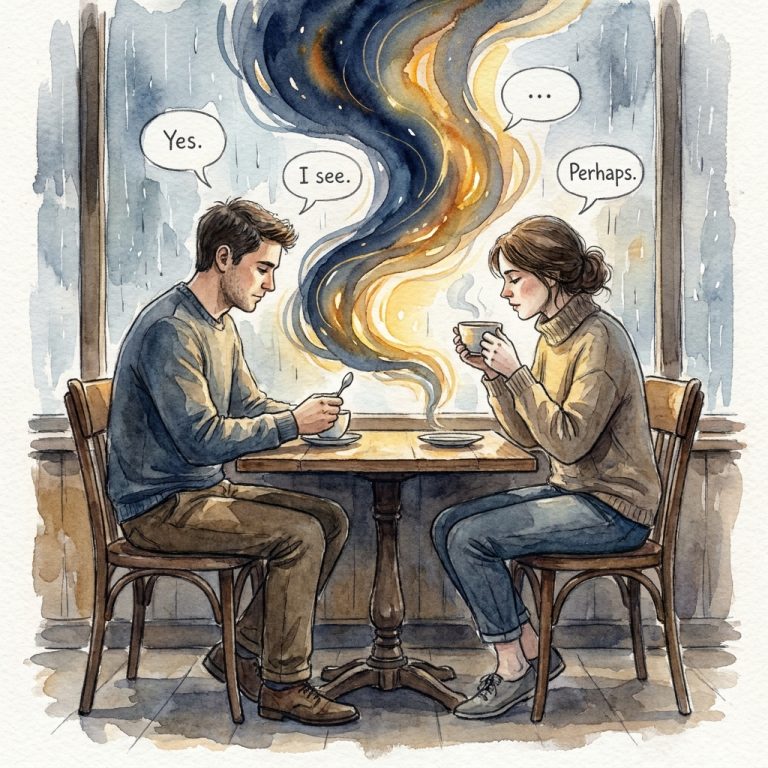
  • Watercolor illustration of two people at a café table, their spoken words floating simply above, while indigo and amber currents flow between them—suggesting unspoken meaning beneath a polite conversation
    Dialogue | Wordcraft | Writing Tips

    Why Your Characters Say What They Don’t Mean

    Bysteve June 11, 2026June 11, 2026

    A character says “I’m fine” after learning her sister got the promotion she wanted. She’s not fine. Every reader knows it. What earns their attention is whether she’ll keep pretending, and at what cost. That gap between what characters say and what they mean is subtext. Most first drafts collapse it. The writer wants to…

    Read More Why Your Characters Say What They Don’t MeanContinue

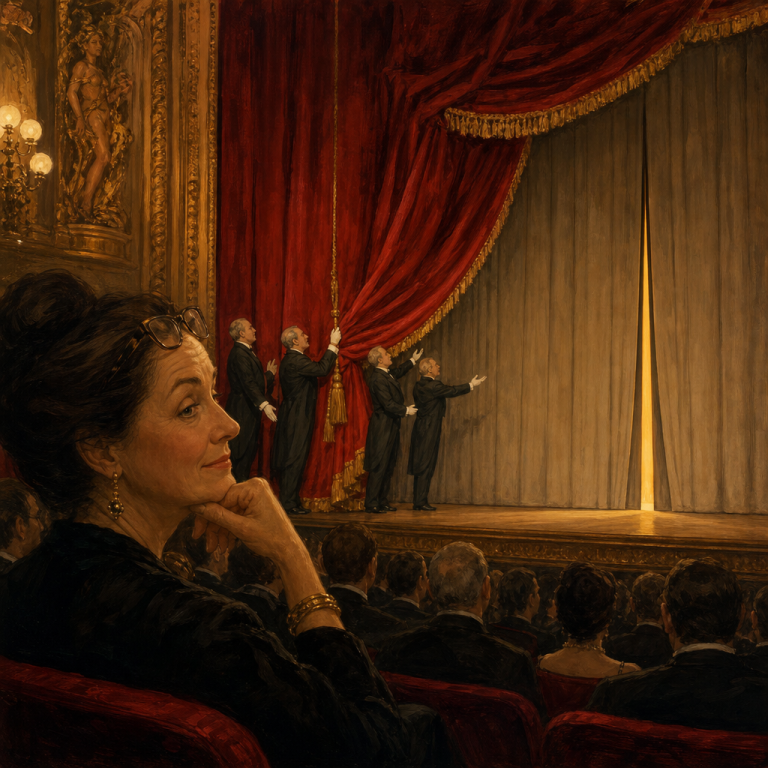
  • Theater illustration: a woman in the audience watches a grand velvet curtain open to reveal another curtain, with warm light visible beyond — a metaphor for unnecessary prologues delaying the real story
    Beginnings & Endings | Writing Tips

    Why Most Prologues Are the Wrong First Chapter

    Bysteve June 10, 2026June 11, 2026

    Most prologues are chapter 1 of a different book. The writer can’t bear to start without context. So she writes three pages of backstory—a historical event, a character who won’t appear until page 200, a battle explaining why the kingdom is the way it is. She calls it a prologue. The reader opens the book…

    Read More Why Most Prologues Are the Wrong First ChapterContinue

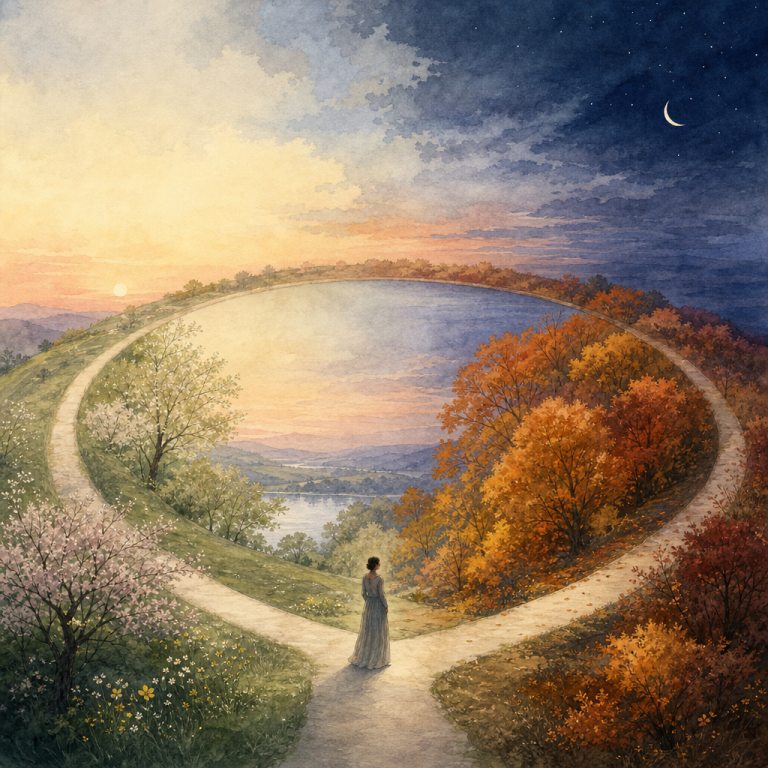
  • Watercolor illustration of a circular path through a landscape transforming from spring dawn to autumn twilight, with a solitary figure standing where the seasons meet
    Beginnings & Endings | Writing Tips

    Why Your Novel’s Ending Should Echo Its Beginning

    Bysteve June 9, 2026June 11, 2026

    Most novels end on the wrong image. The plot resolves. The protagonist wins or loses or learns something. The last paragraph sums up what it all meant. And the reader puts the book down feeling informed. Not moved. The fix is structural, and older than modern fiction: echo your opening. Your first image and your…

    Read More Why Your Novel’s Ending Should Echo Its BeginningContinue

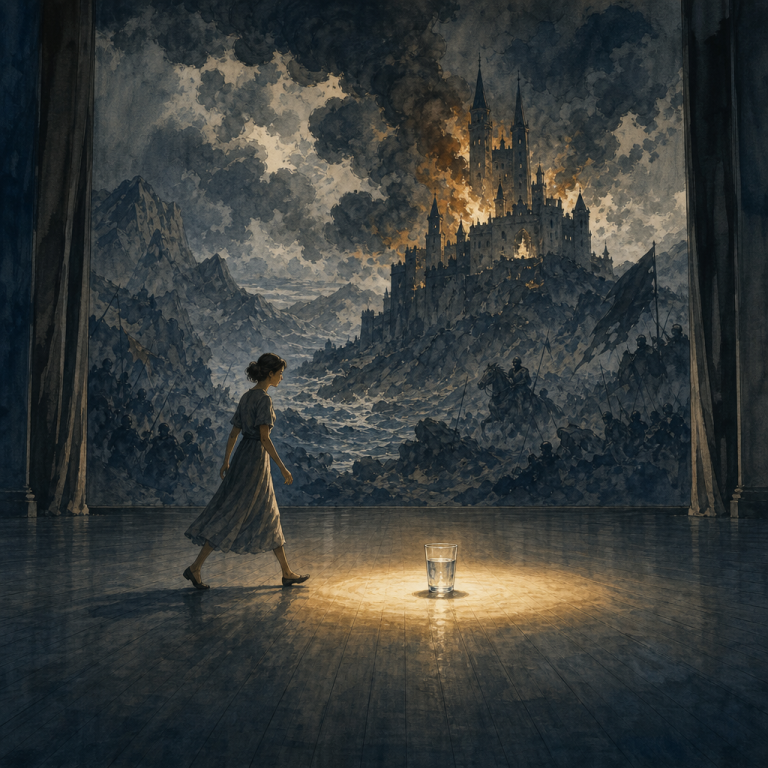
  • Gouache illustration of a woman crossing a vast empty stage toward a glass of water under a spotlight, ignoring a dramatic painted backdrop behind her
    Characters | Scenes | Writing Tips

    The One Question That Fixes Flat Scenes

    Bysteve June 8, 2026June 11, 2026

    The fastest way to kill a scene is to put a character in a room with no reason to be there. Everybody knows their protagonist wants to solve the murder or win the girl or save the planet. That’s the arc. I’m talking about the reason she walks through that particular door at that particular…

    Read More The One Question That Fixes Flat ScenesContinue

  • Surreal watercolor illustration of an hourglass filled with cascading autumn leaves, snowflakes, and flower petals instead of sand
    Scenes | Structure | Writing Tips

    Why “Three Weeks Later” Doesn’t Work

    Bysteve June 7, 2026June 11, 2026

    Most novels spanning more than a few days handle time the same way: a chapter ends Tuesday night, the next opens “Three weeks later, Sarah stood at the kitchen window.” The reader’s brain skips like a needle on a record. Stories need gaps. A novel covering six months can’t account for every Wednesday. But “three…

    Read More Why “Three Weeks Later” Doesn’t WorkContinue

  • Gouache illustration of two people arguing at a table, the scene spiraling inward in repetition, suggesting the same conversation happening over and over
    Scenes | Writing Tips

    Why All Your Confrontation Scenes Feel the Same

    Bysteve June 6, 2026June 11, 2026

    Your protagonist argues with her mother in chapter three. Argues with her boss in chapter seven. Argues with her boyfriend in chapter twelve. Three different people, three different rooms, the same emotional beat every time: she feels misunderstood, pushes back, gets shut down. The settings change. The dialogue changes. But the conflict underneath is identical,…

    Read More Why All Your Confrontation Scenes Feel the SameContinue

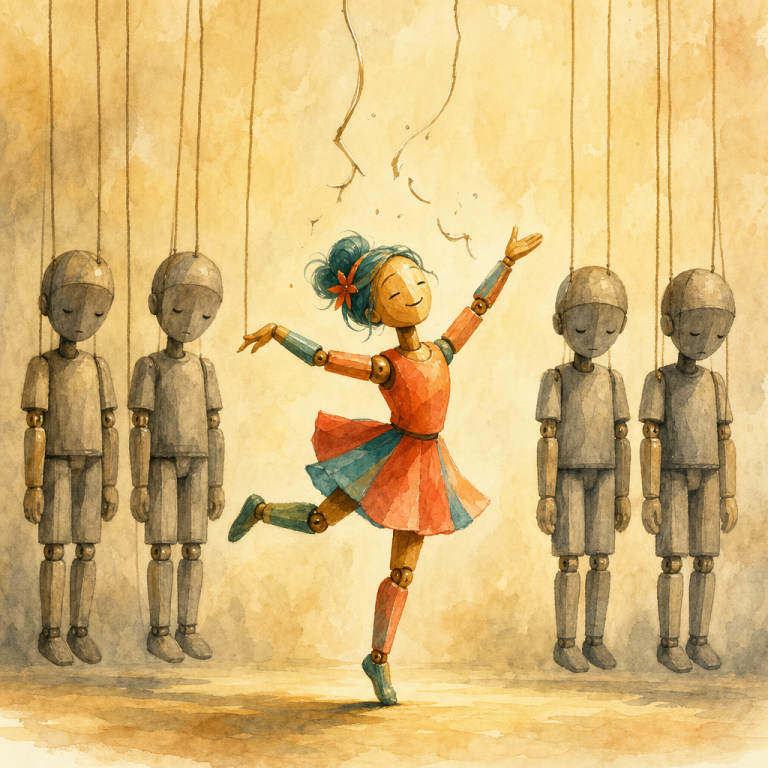
  • Watercolor illustration of five marionette puppets — four identical and gray, one colorful and free, dancing with broken strings
    Dialogue | Writing Tips

    Why All Your Characters Sound Alike

    Bysteve June 5, 2026June 11, 2026

    Cover a character’s name in your manuscript and read the line aloud. If you can’t tell who said it, you have a voice problem. Most characters in most drafts talk the same way. Same vocabulary, same sentence length, same rhythm. Swap the names and nothing changes. The dialogue moves plot information from A to B,…

    Read More Why All Your Characters Sound AlikeContinue

  • Watercolor illustration of an entire domestic scene rising like steam from a single coffee mug on a gallery pedestal
    Setting | Wordcraft | Writing Tips

    One Detail Does the Work of Five

    Bysteve June 4, 2026June 11, 2026

    A coffee mug with three days of dried rings tells the reader more about your character than a whole paragraph describing her apartment. Writers default to the camera pan. The desk, the bookshelves, the window overlooking the parking lot. It reads like a set designer’s notes, and the reader skims right past it. One detail,…

    Read More One Detail Does the Work of FiveContinue

  • Painterly illustration of a golden coin balanced on its edge between a sunlit meadow and a twilight forest, symbolizing scene polarity
    Scenes | Writing Tips

    Every Scene Needs a Coin Flip

    Bysteve June 3, 2026June 11, 2026

    Every scene in your novel starts somewhere emotionally and ends somewhere else. If it starts and ends in the same place, nothing happened. Sounds obvious. It isn’t. I recently reread a draft where the protagonist spent three consecutive chapters winning—she solved the puzzle, charmed the ally, found the clue. Each scene was competent. Each one…

    Read More Every Scene Needs a Coin FlipContinue

Page navigation

1 2 3 … 14 Next PageNext

© 2026 Writing Academy Blog

Facebook

📝 Free Manuscript Checklist

Sign up and get the 25-point checklist my students use — plus the writing resources you choose.

  • Home
  • Blog
  • Newsletter
  • Classes
  • Books
  • Topics
    • Children’s Books
    • History
    • Marketing
    • Mysteries
    • Non-Fiction
    • Romance
    • Screenwriting
    • Self-Publishing
    • Traditional Publishing
    • Young Adult Books
  • Writing Tips
    • Beginnings & Endings
    • Characters
    • Dialogue
    • Scenes
    • Setting
    • Structure
    • Wordcraft
Search
We use cookies for analytics to understand how visitors use this site. By continuing to browse, you accept our use of cookies. Privacy Policy.