Your Similes Come From Another Book
Quiet as a mouse. Fell like a sack of flour. Nothing false in any of them, and nothing that belongs to your book. Similes should be manufactured from the character’s own world.
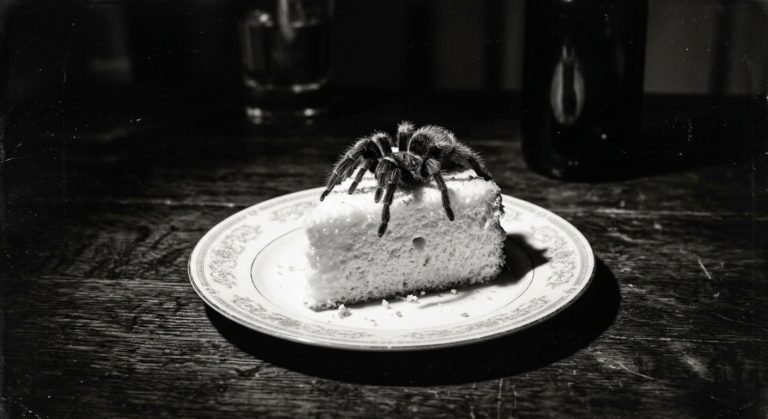
Quiet as a mouse. Fell like a sack of flour. Nothing false in any of them, and nothing that belongs to your book. Similes should be manufactured from the character’s own world.
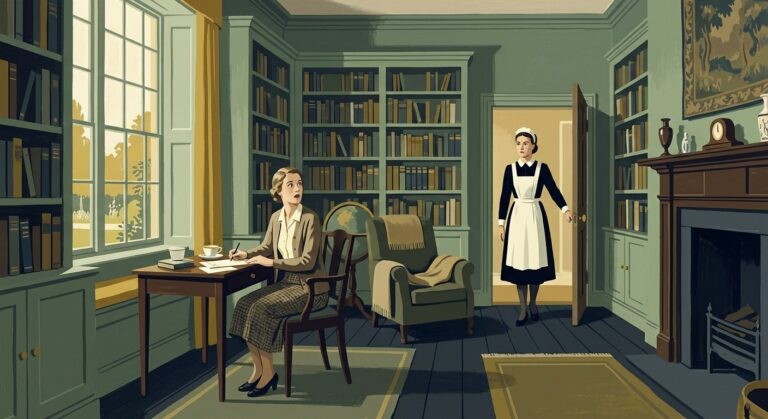
A body turns up in chapter one. In one book the reader leans closer, dreading what the death will cost. In another, they settle in to guess whodunit over tea. Same corpse. The difference isn’t gore or stakes. It’s weight, and the weight isn’t set by the event. It’s set by the promise the genre…
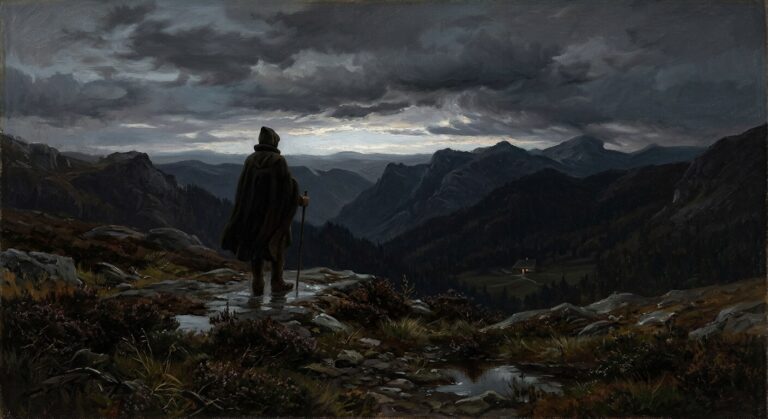
Endings are where most manuscripts go soft, and the failure usually happened two chapters earlier. The protagonist finally changes into someone braver, and the change costs them nothing. Nothing was lost to buy it. Readers don’t believe a change that was free. Charlotte Brontë understood the arithmetic. Jane Eyre spends the whole novel wanting two…
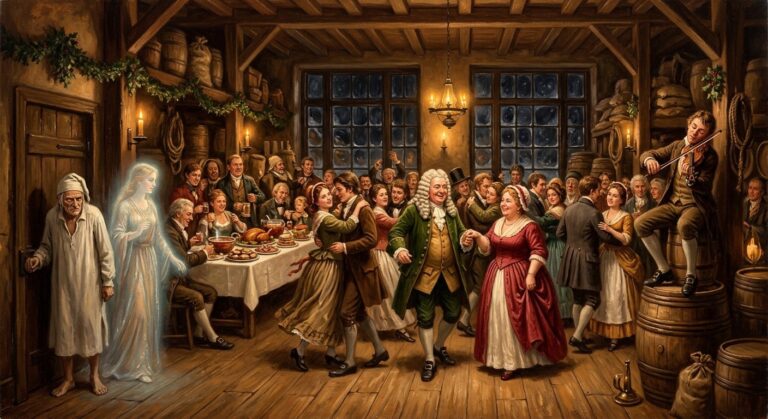
Somewhere along the way, writers absorbed a rule: every scene has to end worse than it began. Each chapter ends on a fresh disaster, and the next one opens on the wreckage. Then, around chapter twelve, the reader stops flinching. Catastrophe in bulk is noise; nothing costs anything. The books you love let the pressure…

A middle where the hero wins every scene is a ramp. A middle where she loses every scene is a slide. Both are straight lines, and readers feel the flatness even when they can’t name it. In my classes I have students draw a picture of their novel instead of outlining it. One point per…
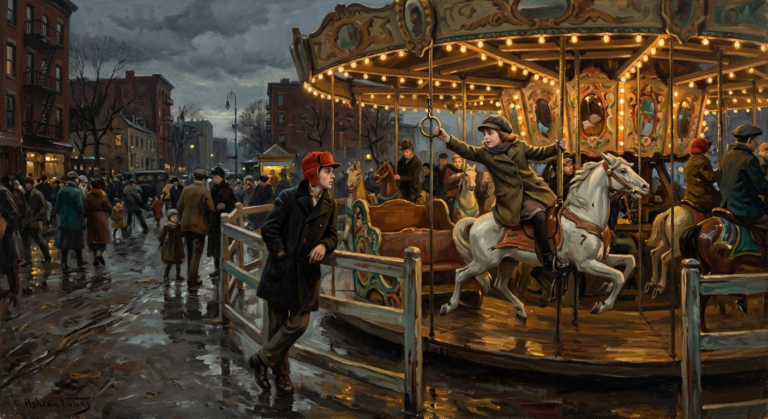
Every coming-of-age story turns on a decision the writer makes before the outline: whether the kid runs from adulthood or at it. In The Catcher in the Rye, Holden Caulfield runs from it. He tells us his dream himself: “I have to catch everybody if they start to go over the cliff… I’d just be…
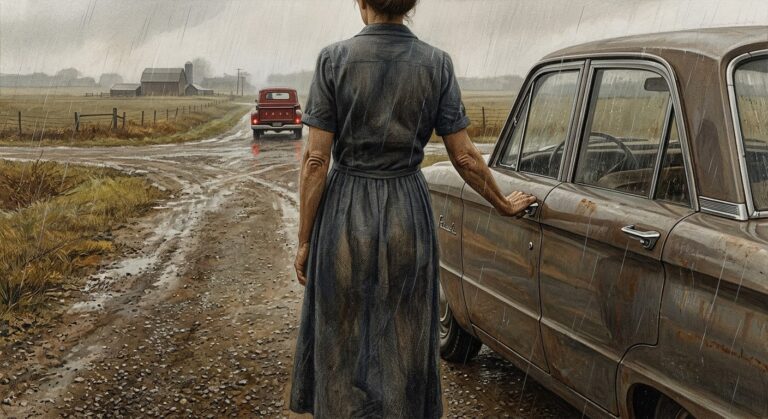
Every love story eventually drives up to the same intersection: the person and the obligation, pointing in opposite directions. Readers don’t remember which road the writer picked. They remember the toll. In The Bridges of Madison County, Francesca stands in the rain with her hand on the door handle of her own car, watching Robert…

A subplot is a second pressure on the story. When it isn’t pressing, it’s a detour with nicer furniture. You can spot the detour easily. The side romance that never interferes. The relative’s custody battle that resolves itself. The hobby the writer researched for a month. Each is pleasant. Each could be lifted out with…
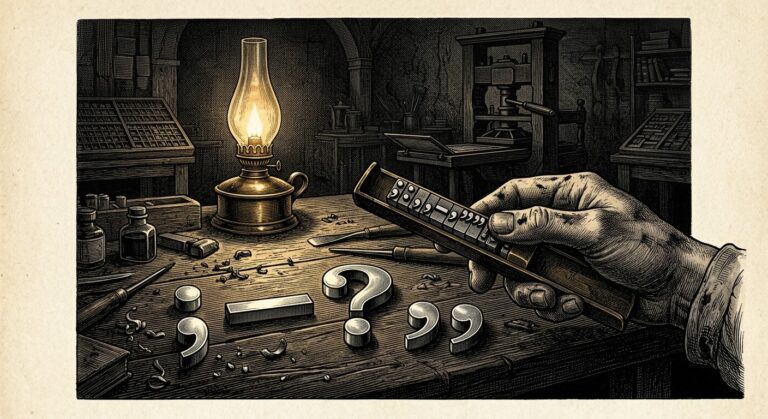
A few weeks ago the internet decided curly quotation marks are a sign a robot wrote your book. Somebody posted a warning about it on Threads, screenshot and all, and the comments filled with writers promising to switch to straight quotes immediately. First they came for the em dashes. Then the Oxford comma. Now curly…
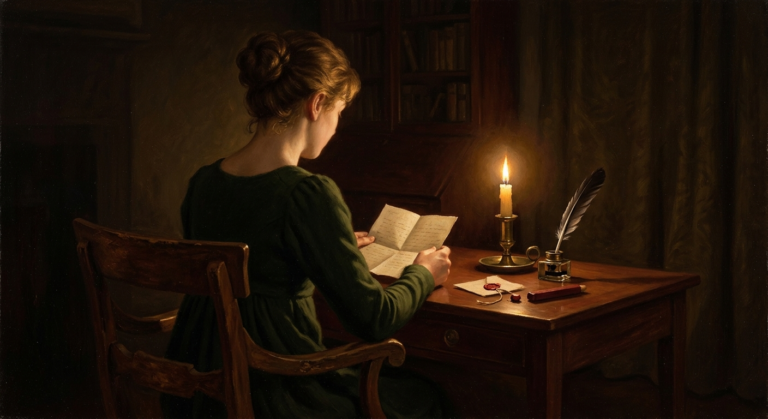
Half the romances on the shelf run on a secret, a lie, or a crossed wire that one honest conversation would dissolve. Readers catch it around chapter three. They keep turning pages, but they stop worrying, because a worse question has moved in: why doesn’t she just ask him? A misunderstanding can carry a book…
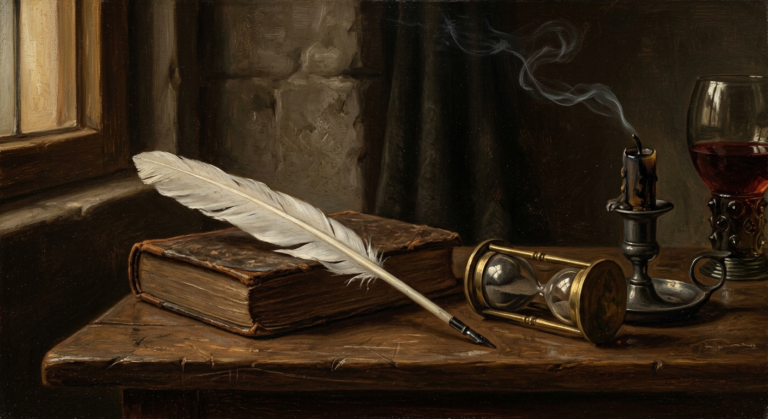
Somewhere in your draft is a death that changes nothing. The characters grieve for a scene, the plot pauses to notice, and then it resumes exactly as it was. The test is direction. A working death bends the story somewhere it could not otherwise have gone. A survivor makes a choice she would never have…
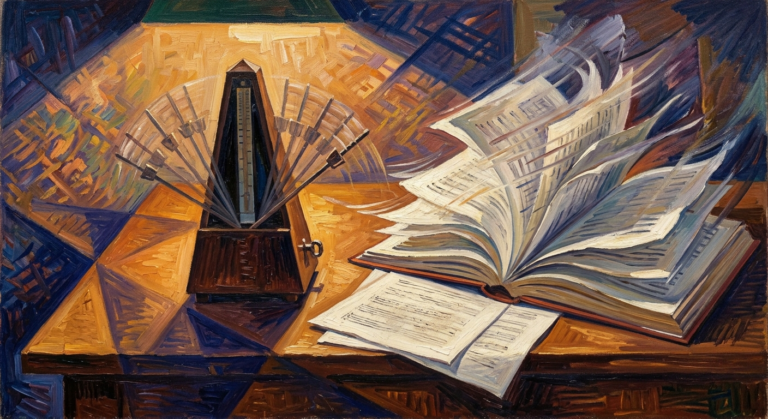
A slow manuscript and a fast one usually fail the same way. Whole stretches pass where nothing changes. Pacing is change per page. Every scene should alter something the reader can point to afterward: what somebody knows, what somebody wants, who can be trusted. When pages turn and the answer is “nothing,” readers call the…
Sign up and get the 25-point checklist my students use — plus the writing resources you choose.