Skip to content

Writing Academy Blog

  • Home
  • Blog
  • Newsletter
  • Classes
  • Books
  • TopicsExpand
    • Children’s Books
    • History
    • Marketing
    • Mysteries
    • Non-Fiction
    • Romance
    • Screenwriting
    • Self-Publishing
    • Traditional Publishing
    • Young Adult Books
  • Writing TipsExpand
    • Beginnings & Endings
    • Characters
    • Dialogue
    • Scenes
    • Setting
    • Structure
    • Wordcraft
Writing Academy Blog

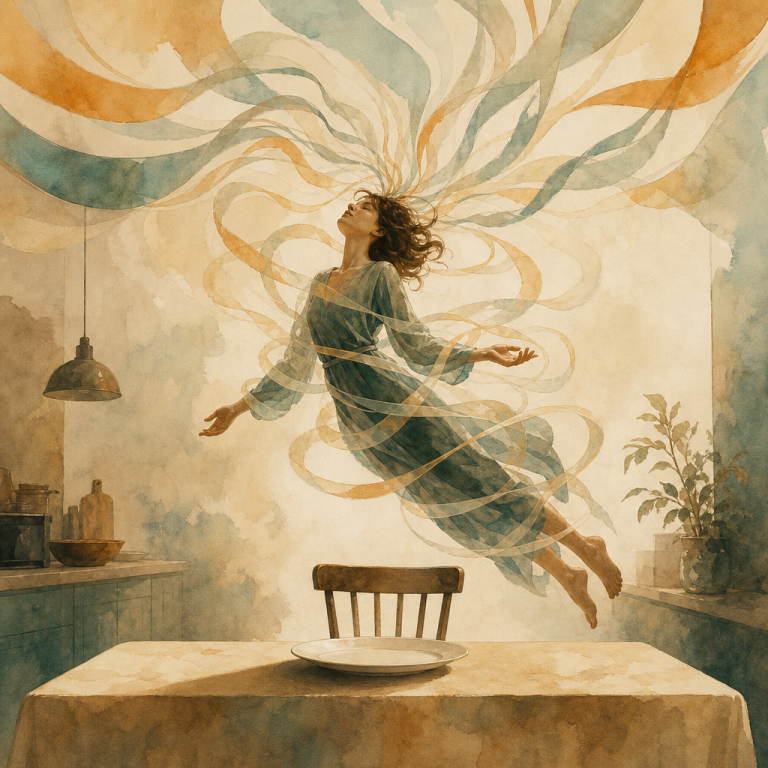
  • Surreal watercolor illustration of a woman floating above an empty kitchen chair, tangled in luminous ribbons spiraling from her head
    Characters | Wordcraft | Writing Tips

    Why Your Characters Think Too Much on the Page

    Bysteve June 2, 2026June 11, 2026

    Characters who think too much on the page stop your story cold. A protagonist considers her options, weighs the risks, remembers something from her childhood, and three paragraphs later she still hasn’t opened the door. The reader stopped waiting somewhere around paragraph two. Internal monologue is a trust problem. The writer doesn’t trust the scene…

    Read More Why Your Characters Think Too Much on the PageContinue

  • Gouache illustration of flowers in a crystal vase on a windowsill, their shadows forming an unexpected silhouette on the wall behind
    Structure | Writing Tips

    Your Reader Solved Your Twist in Chapter Four

    Bysteve June 1, 2026June 11, 2026

    Foreshadowing fails when the reader sees it coming. A character mentions a gun in chapter two. By chapter eight, someone’s been shot. The reader wrote that ending for you somewhere around chapter four. Real foreshadowing works because the planted detail appears to serve a completely different purpose. In Rebecca, Mrs. Danvers describes how Rebecca arranged…

    Read More Your Reader Solved Your Twist in Chapter FourContinue

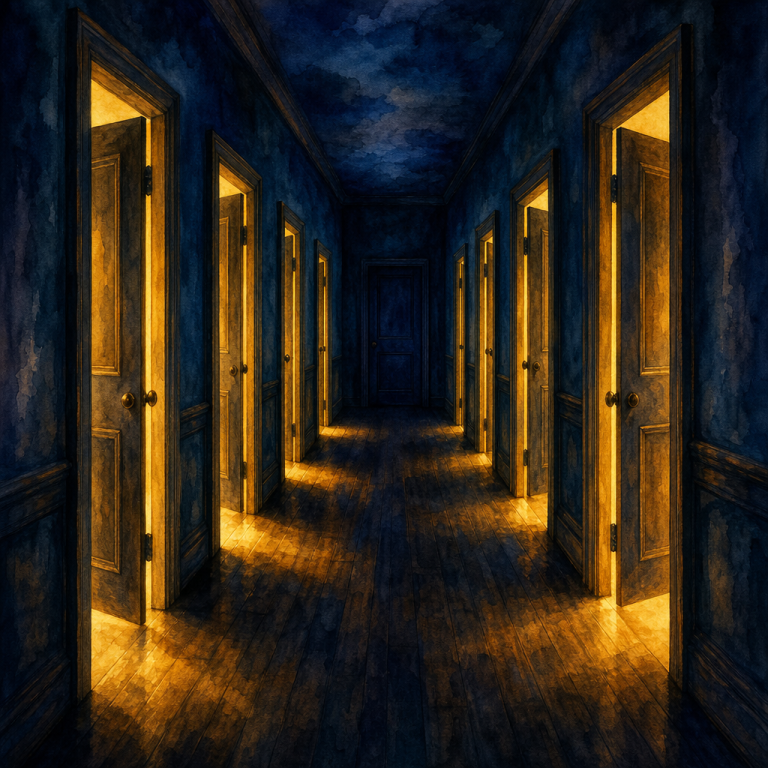
  • Painterly illustration of a shadowy corridor with many doors slightly ajar, warm golden light spilling through the cracks onto dark floorboards
    Scenes | Wordcraft | Writing Tips

    The Tiny Questions That Keep Readers Turning Pages

    Bysteve May 31, 2026June 11, 2026

    Tension lives at the sentence level. Most writers think tension means car chases and ticking bombs. They write their high-stakes scenes carefully and rush through the quiet ones. Then a beta reader says “I got bored around chapter 3,” and the writer is baffled, because chapter 3 is where the body drops. What kept the…

    Read More The Tiny Questions That Keep Readers Turning PagesContinue

  • Gouache illustration of a woman walking across a crumbling stone path in space, fragments floating upward behind her, an illuminated doorway ahead
    Beginnings & Endings | Structure | Writing Tips

    Your Inciting Incident Is Probably in the Wrong Place

    Bysteve May 30, 2026June 11, 2026

    Most writers put their inciting incident in the wrong place because they’ve misidentified what it actually is. They point to the murder, the diagnosis, the letter on page three. Something happens to the protagonist, and the writer calls it the beginning. I’ve read thousands of student manuscripts over 25 years. The ones that stall in…

    Read More Your Inciting Incident Is Probably in the Wrong PlaceContinue

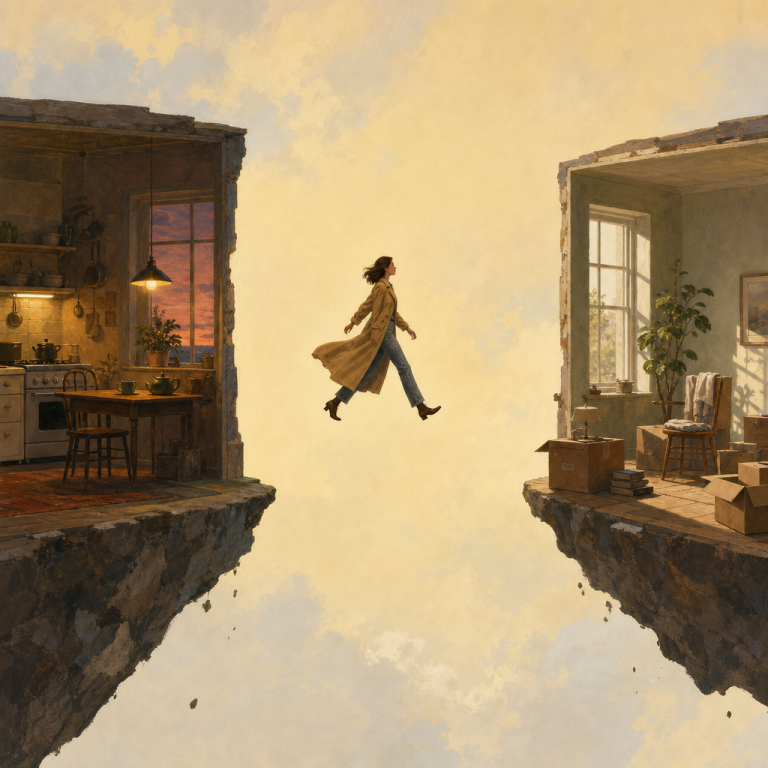
  • Surreal painterly illustration of a woman in a trench coat striding confidently across an empty gap of sky between two floating cutaway rooms, a lamplit kitchen on one side and a sunlit room of moving boxes on the other.
    Scenes | Wordcraft | Writing Tips

    The White Space Is the Bridge: How to Cut the Dead Weight Between Scenes

    Bysteve May 29, 2026June 11, 2026

    Most writers are terrified of the gap between scenes. So they build little bridges. “She drove home, made dinner, watched some TV, and went to bed. The next morning…” Three sentences of nothing to get the reader from Tuesday to Wednesday. Cut all of it. The white space is the bridge. Readers are smarter than…

    Read More The White Space Is the Bridge: How to Cut the Dead Weight Between ScenesContinue

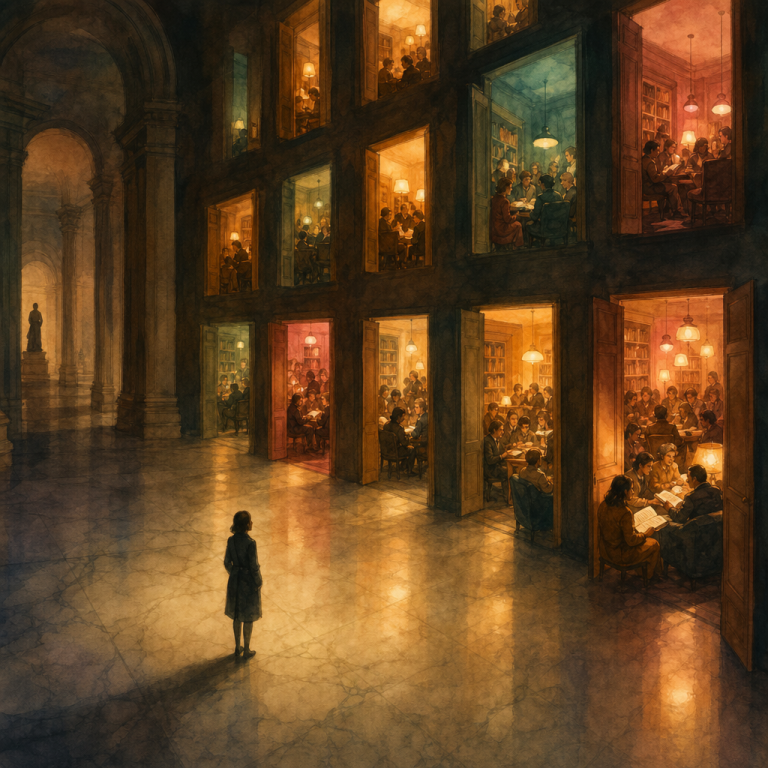
  • Watercolor illustration of a lone author in an empty marble hall gazing at a wall of glowing rooms, each filled with crowds of eager readers just out of reach
    Structure | Writing Tips

    Your Book Is on the Wrong Shelf: How Categories and Keywords Decide Who Finds You

    Bysteve May 28, 2026June 11, 2026

    Most self-published books die in a category they never should have entered. Writers pick “Fiction > Literary” because it sounds prestigious, then wonder why nobody finds the book. The category isn’t a label. It’s the shelf Amazon decides to stock you on, and the wrong shelf is invisible. Here’s what watching authors for years taught…

    Read More Your Book Is on the Wrong Shelf: How Categories and Keywords Decide Who Finds YouContinue

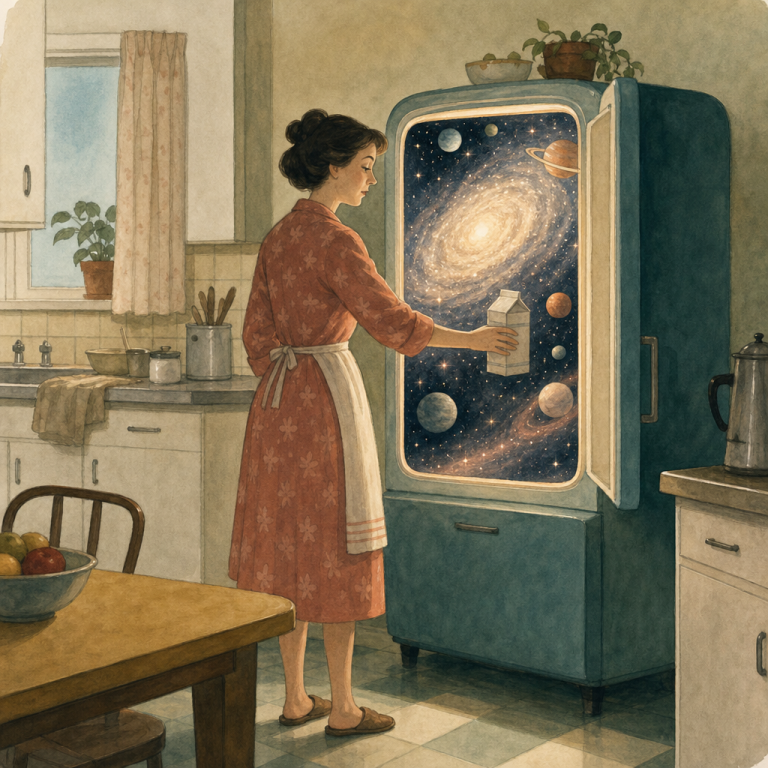
  • Watercolor illustration of a woman in an apron casually opening her refrigerator to find a swirling galaxy and planets inside, treating cosmic wonder as ordinary.
    Setting | Writing Tips

    Why Your Sci-Fi World Feels Like a Museum Exhibit

    Bysteve May 27, 2026June 11, 2026

    Most science fiction worlds fail because the writer explains them. You can tell within a page. Two scientists explain quantum drives to each other though they both already know. The seams show. The world feels like a museum exhibit with little placards. After 25 years of reading student manuscripts, here’s the rule: a believable world…

    Read More Why Your Sci-Fi World Feels Like a Museum ExhibitContinue

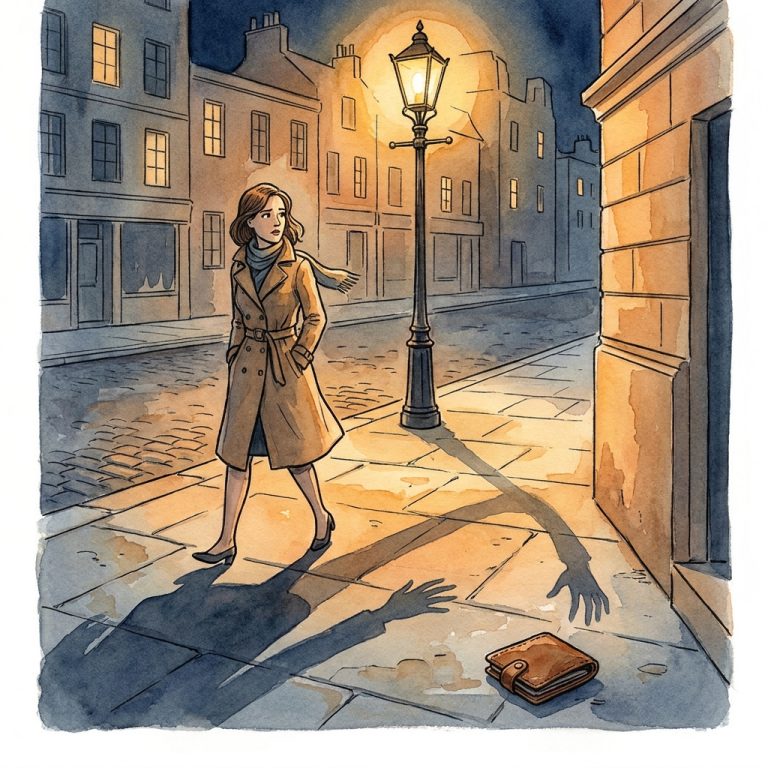
  • Watercolor illustration of a woman on a cobblestone street at night, a dropped wallet on the pavement behind her, her shadow reaching down to pick it up before she has decided
    Characters | Writing Tips

    What Your Characters Do When Nobody’s Watching

    Bysteve May 26, 2026June 11, 2026

    Most first drafts are full of sentences that tell us what characters are like. “She was generous.” “He was stubborn.” Those sentences do zero work. Character lives in what people do when nobody’s watching. The reader needs to infer the trait from behavior, not receive it pre-labeled. That’s the difference between a character who feels…

    Read More What Your Characters Do When Nobody’s WatchingContinue

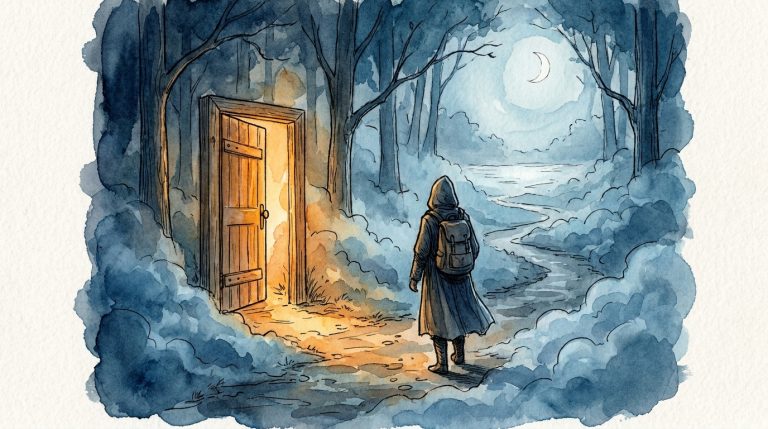
  • Watercolor illustration of a hooded figure standing at a threshold between a warm glowing open doorway and a moonlit forest path, symbolizing the character arc choice between the familiar and the hard path forward
    Characters | Writing Tips

    The Last Temptation Scene: Why Most Character Arcs Feel Incomplete

    Bysteve May 25, 2026June 11, 2026

    Most character arcs end at the climax. That’s where the protagonist demonstrates new behavior under pressure — the big moment. But the scene most writers skip comes right after. I call it the last temptation scene. The moment when the old way of being becomes available again: the old lover shows up one more time,…

    Read More The Last Temptation Scene: Why Most Character Arcs Feel IncompleteContinue

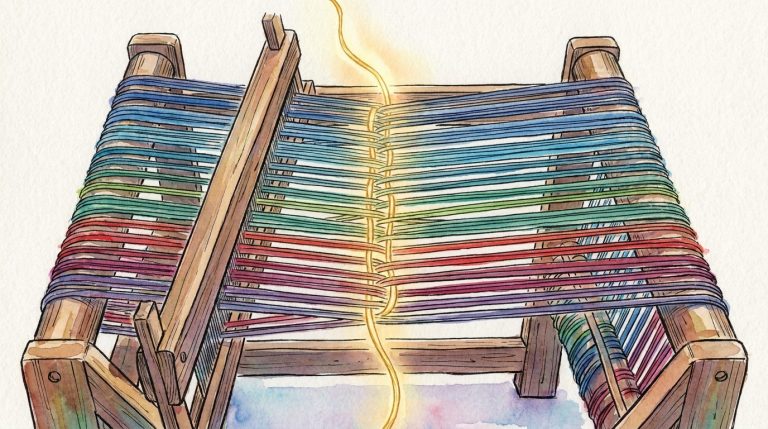
  • Watercolor illustration of a weaving loom with multicolored threads and a single luminous gold thread running through all of them, symbolizing story theme as the thread that binds everything together
    Structure | Writing Tips

    The Gold Thread: How Theme Really Works in Fiction

    Bysteve May 24, 2026June 11, 2026

    Most writers confuse subject with theme. Subject is what the story is about. Theme is the question it refuses to stop asking. “My story is about grief” isn’t a theme. It’s a filing cabinet category. The theme is closer to: does surviving loss mean holding on, or letting go? Every scene in your book is…

    Read More The Gold Thread: How Theme Really Works in FictionContinue

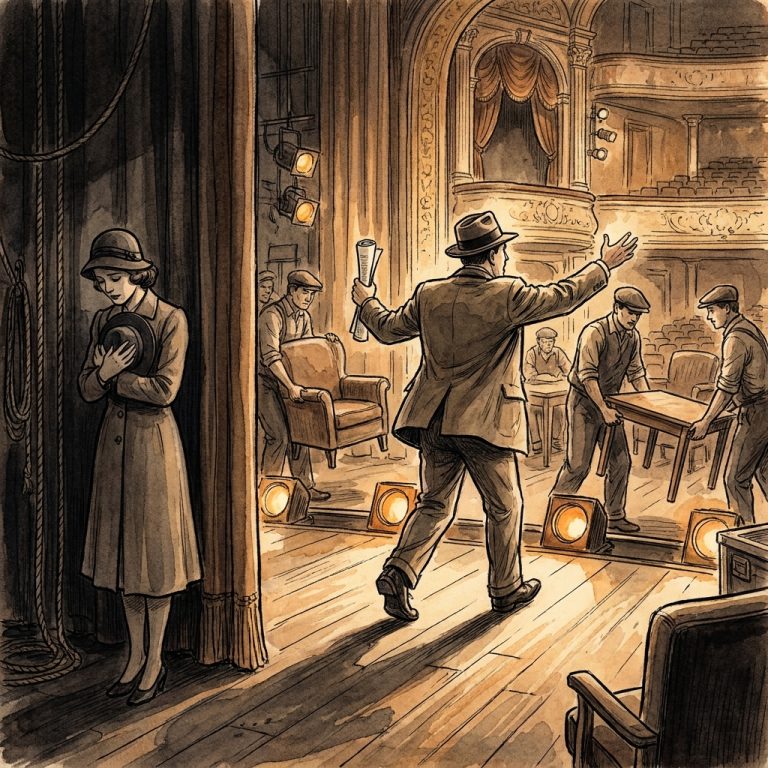
  • Vintage theater illustration: a director rushes about the stage focused on set logistics while an actress stands alone in the wings, head bowed, experiencing a private emotional moment he ignores
    Structure | Wordcraft | Writing Tips

    The Backwards-Clock Problem: Why Writers Speed Through Emotional Scenes

    Bysteve May 23, 2026June 11, 2026

    Most writers have the pacing backwards. A fight scene gets every punch described in slow motion. A character discovers her husband has been lying for 20 years, and the writer gives it one sentence: “She felt betrayed.” The fight takes 800 words. The realization that rewires her whole life takes 12. Narrative time should slow…

    Read More The Backwards-Clock Problem: Why Writers Speed Through Emotional ScenesContinue

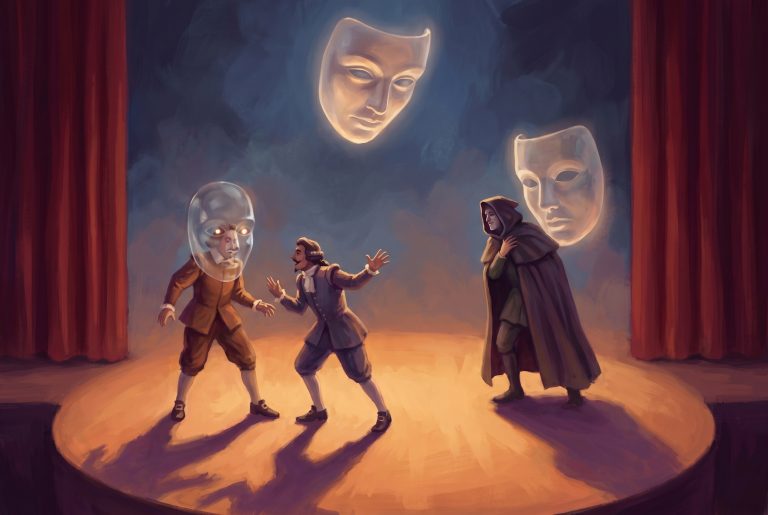
  • Different viewpoints looking at the same scene
    Writing Tips

    Choosing Your Story’s Viewpoint: A Guide to POV

    Bysteve May 22, 2026

    Every story is told by someone. The question is: who’s doing the telling, and how much do they know? Viewpoint—or point of view (POV)—is one of the most powerful decisions you’ll make as a writer. It determines what the reader sees, what they feel, and what they’re allowed to know. Get it right and the…

    Read More Choosing Your Story’s Viewpoint: A Guide to POVContinue

Page navigation

Previous PagePrevious 1 2 3 4 … 14 Next PageNext

© 2026 Writing Academy Blog

Facebook

📝 Free Manuscript Checklist

Sign up and get the 25-point checklist my students use — plus the writing resources you choose.

  • Home
  • Blog
  • Newsletter
  • Classes
  • Books
  • Topics
    • Children’s Books
    • History
    • Marketing
    • Mysteries
    • Non-Fiction
    • Romance
    • Screenwriting
    • Self-Publishing
    • Traditional Publishing
    • Young Adult Books
  • Writing Tips
    • Beginnings & Endings
    • Characters
    • Dialogue
    • Scenes
    • Setting
    • Structure
    • Wordcraft
Search
We use cookies for analytics to understand how visitors use this site. By continuing to browse, you accept our use of cookies. Privacy Policy.